

Custom parts · From prototype to production
Custom CNC Machining
Services in China
LXCET manufactures custom metal and plastic parts to your drawings in Dongguan, China. Our services include CNC milling, 5-axis machining, precision turning and die casting, from prototypes to production.
Drawing-led enquiryCritical-feature reviewDirect project contact
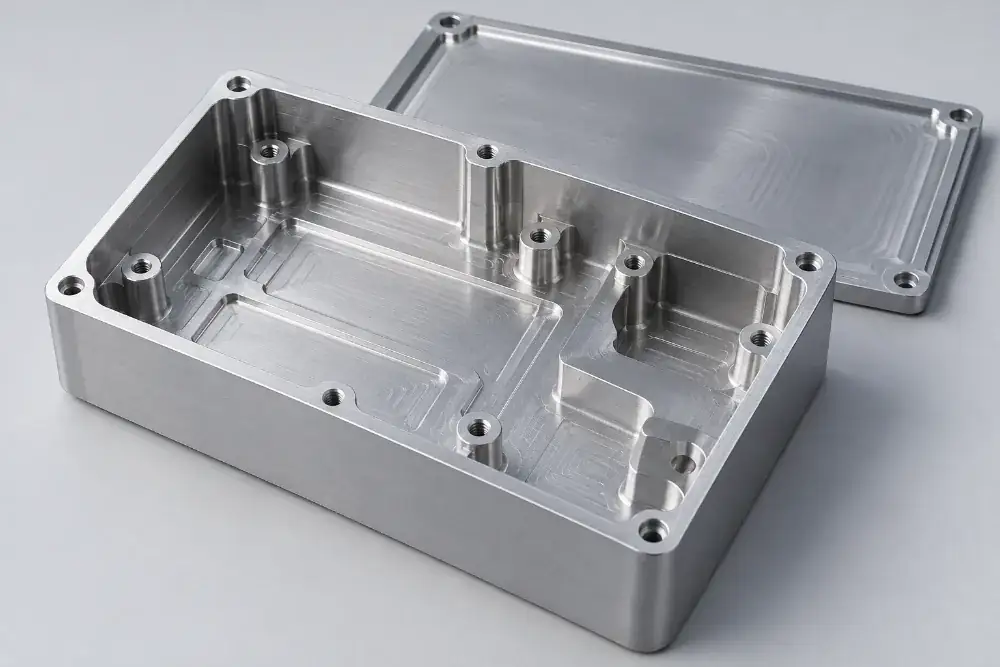 Prototype enclosure · Pockets, bosses & mating faces
Start with your engineering requirement
What must your next part get right?
A useful supplier conversation starts with the features that control function—not a generic promise of precision.
Parts that fit your assembly
Identify bearing seats, locating bores, sealing faces and mating components. Define the datums and tolerances that make the assembly work.
Review critical interfaces →Complex features with a practical process
Review thin walls, deep pockets, angled holes and tool access before production. Match the process to the geometry and material.
Choose a manufacturing route →A quote your team can compare
Make quantity, finish, inspection records and delivery scope explicit. Compare quotations against the same technical requirements.
Use the procurement checklist →From prototype to production
Manufacturing Processes
Choose a route around your part’s geometry, material and production stage. Share your drawing to review feasibility, critical features and inspection requirements.
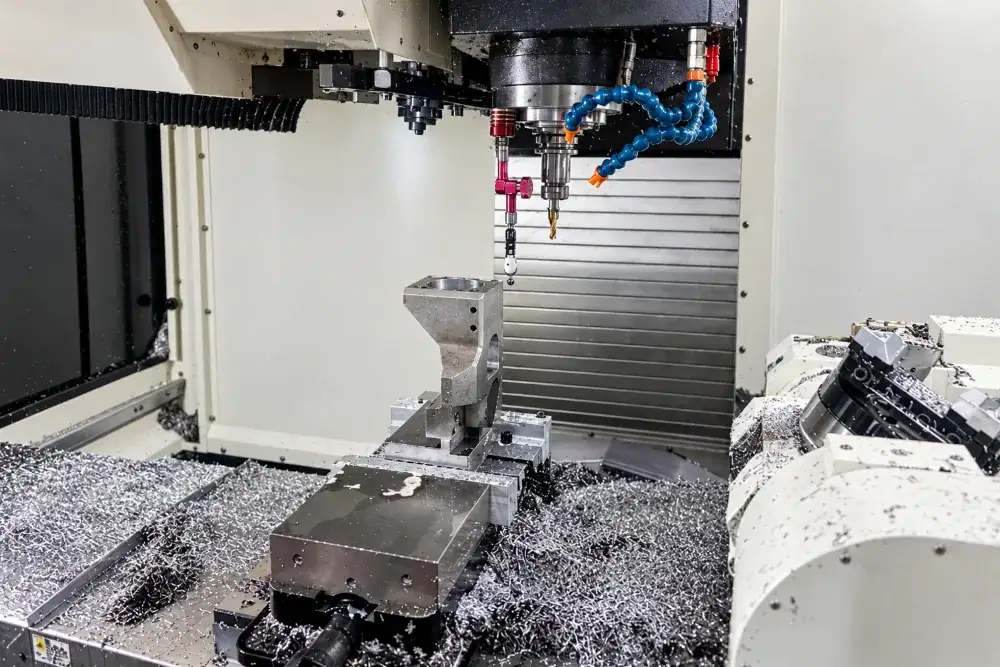
Prototype Machining
Functional prototypes for fit checks, assembly trials and design refinement.
Enclosures · fixtures · brackets
- CNC planar range
- Up to 1,300 × 1,600 mm listed
- Acceptance
- Drawing-defined fits and dimensions
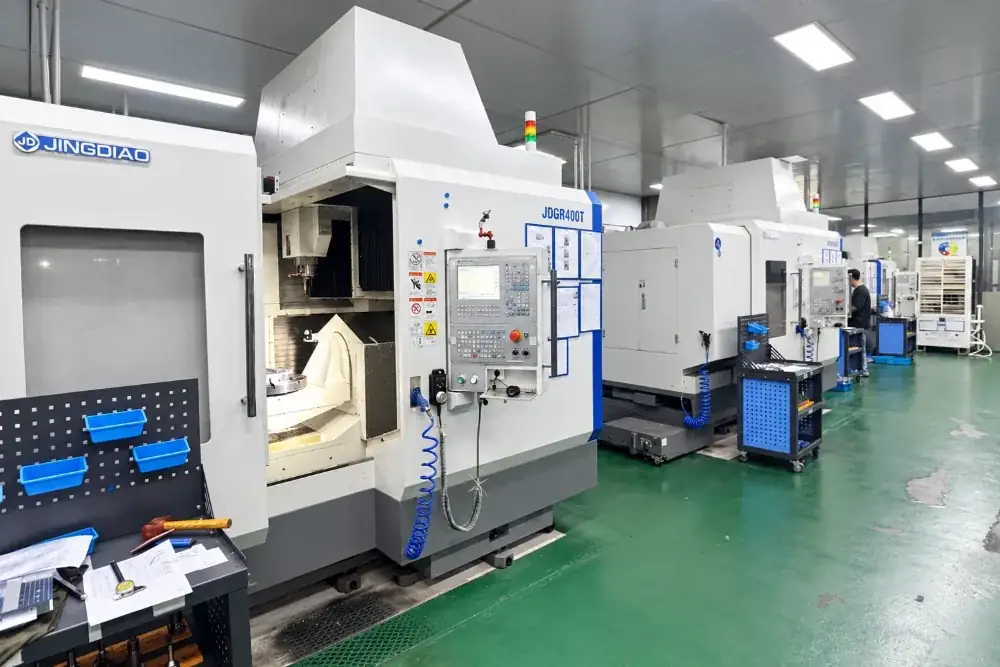
5-Axis CNC Machining
Multi-angle features and complex surfaces with fewer workpiece orientations.
Impellers · complex housings
- Listed equipment
- 16 five-axis-class units
- JDGR400T travel
- 450 × 680 × 400 mm¹
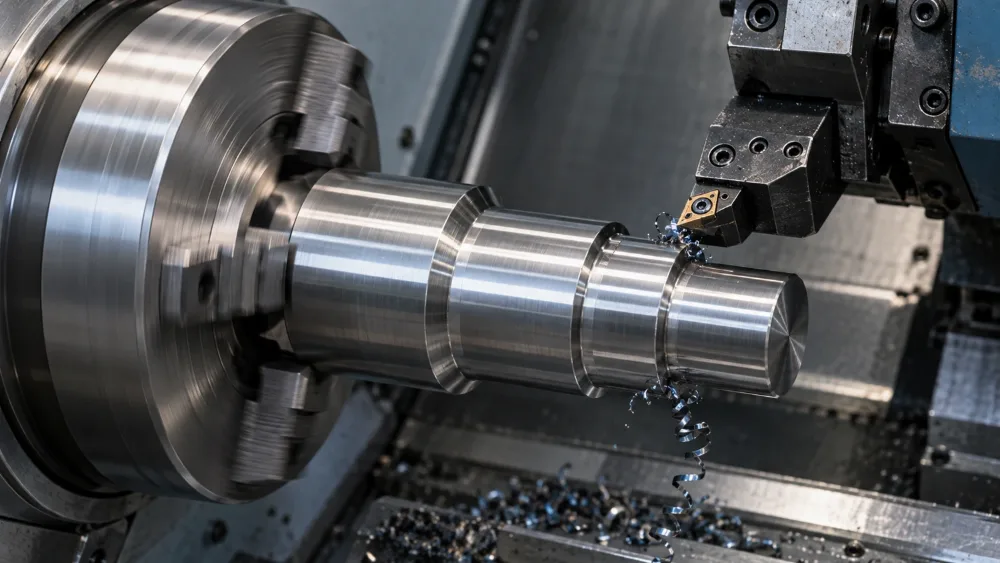
Precision CNC Turning
Rotational parts with controlled diameters, shoulders and threaded features.
Shafts · sleeves · bushings
- Swiss-type diameter
- Ø0.5–Ø26 mm listed
- Turn-mill diameter
- Ø250 mm listed
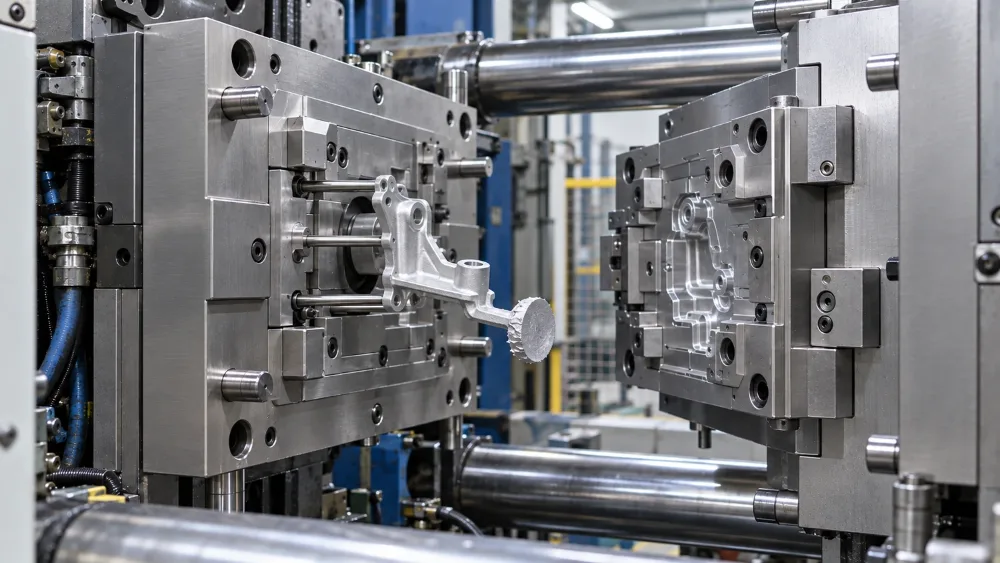
Die Casting
Repeat metal geometry with secondary machining for critical interfaces.
Housings · covers · brackets
- Tooling input
- Alloy + projected area + cavities
- Critical checks
- Porosity, datums and machined fits
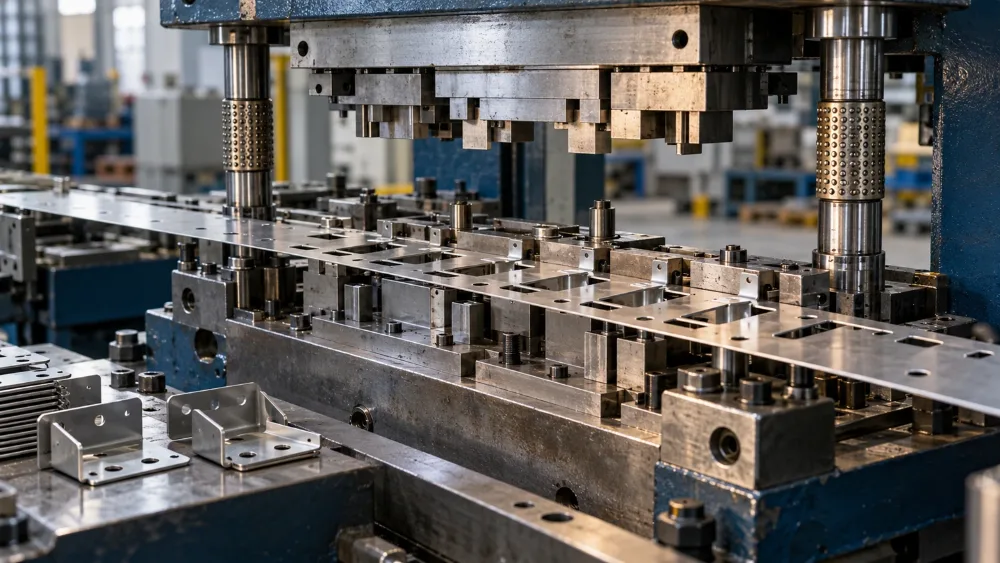
Metal Stamping
Sheet components formed through cutting, punching and press operations.
Brackets · clips · mounting plates
- Stock review
- Thickness, temper and blank size
- Critical checks
- Burrs, hole position and forming
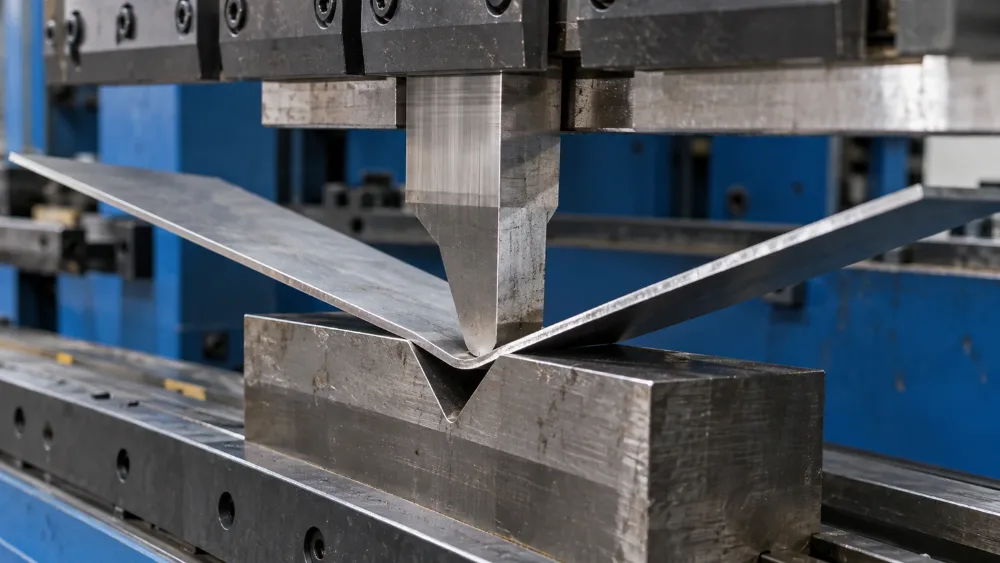
Sheet Metal Bending
Folded sheet parts designed around bend access and assembly alignment.
Enclosures · panels · supports
- Geometry review
- Thickness, radius and flange length
- Critical checks
- Bend angle, springback and fit
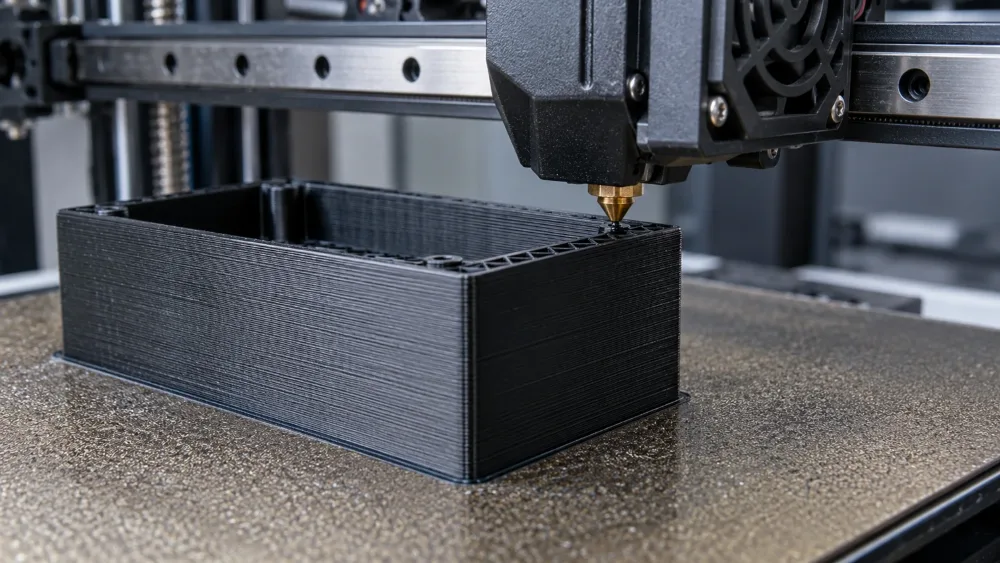
3D Printing
Additive prototypes for shape evaluation, design iteration and assembly checks.
Concept models · prototype parts
- Build review
- Technology, material and orientation
- Critical checks
- Layers, supports and assembly fits
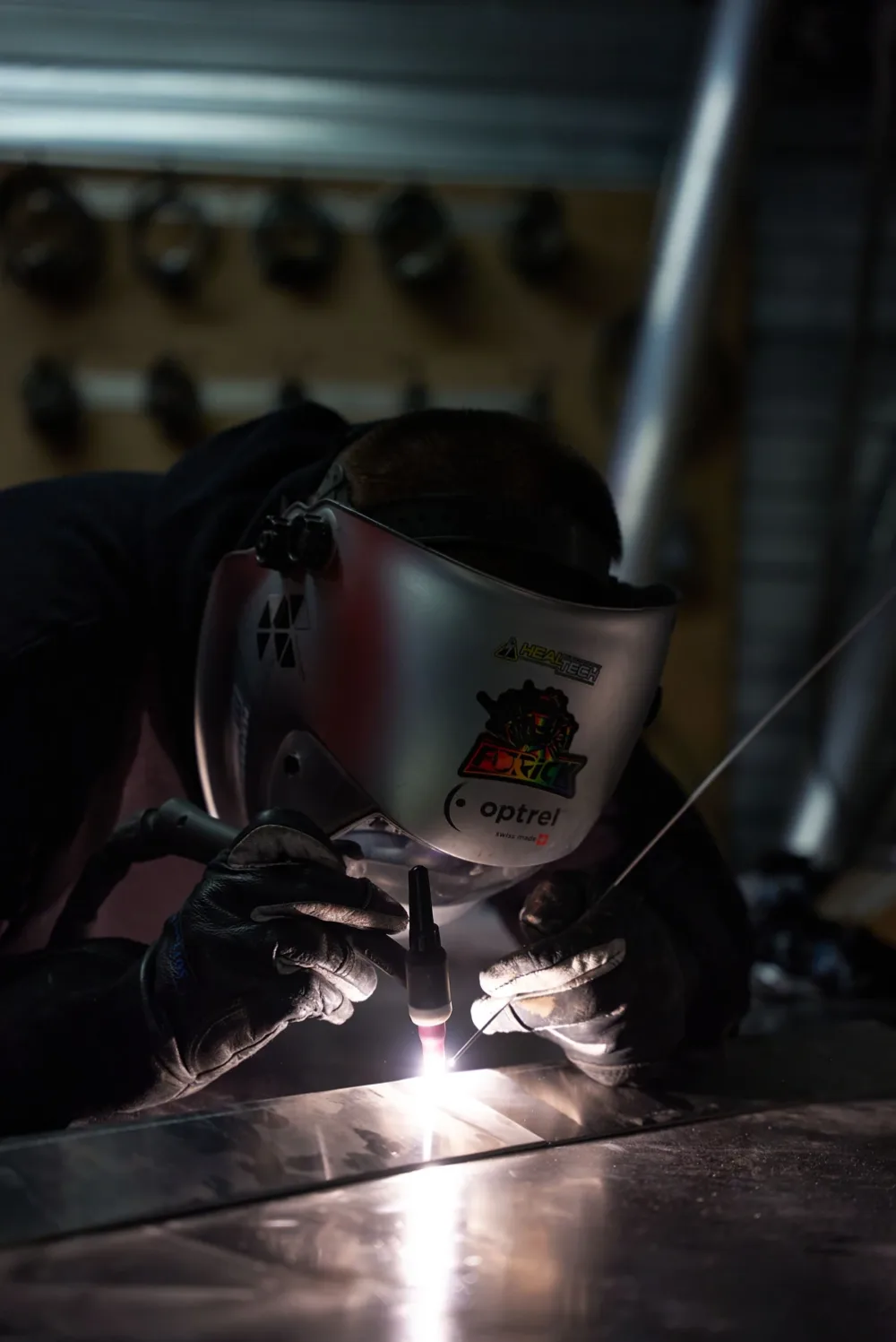
Welding & Assembly
Joined components reviewed around fixtures, access and final assembly needs.
Frames · brackets · subassemblies
- Joint review
- Material, thickness and access
- Critical checks
- Distortion, welds and alignment
Listed machining ranges are planning inputs, not guaranteed finished-part envelopes. Final tolerances and additional process capacity are confirmed in the quotation. Images include retouched original photographs and process imagery.
Compare Sizes & ProcessesEngineering material data
Compare the numbers that affect your part.
Start with weight and heat transfer. Then review loading, corrosion exposure, finish and the required material condition against your drawing.
| Material / condition | Density g/cm³ | Thermal conductivity W/(m·K) | Design decision |
|---|---|---|---|
| Aluminum 6061-T6 | ≈ 2.71 | 167at 25°C | Compare for lightweight housings and heat-transfer parts. Review welding effects on the T6 condition. |
| Aluminum 7075-T6 | 2.80at 20°C | 130at 20°C | Consider when strength drives selection. Review corrosion protection and joining requirements. |
| Stainless steel 316L EN 1.4404 | 8.0 | 15at 20°C | Compare for corrosion-sensitive applications. Account for greater mass and lower heat transfer. |
Published reference properties for material selection, not batch test results. Confirm product form, condition and certification in the RFQ. 6061 density converted from 0.098 lb/in³.
Material data sources
Hydro — Alloy 6061, page 2 · Kaiser Aluminum — 7075 Tube & Pipe, pages 1–2 · Outokumpu — Supra range, Table 8
Specify the data your supplier needs.
Engineering before production
Put the critical details
on the table early.
A CAD model shows the shape. A controlled drawing defines how the part must perform and how it will be accepted.
- Material & condition: specify grade, heat treatment and any required material records.
- Critical dimensions: identify fits, datums, geometric tolerances and the features that control assembly.
- Process risks: review thin walls, deep features, distortion, tool access and repeated setups.
- Surface requirements: define roughness, cosmetic zones, edge breaks and protected interfaces.
Quality & inspection
Precision needs evidence.
Define what to verify.
Agree on the features, measurement methods and records your team needs to approve the parts. Build acceptance into the enquiry—not just the final conversation.
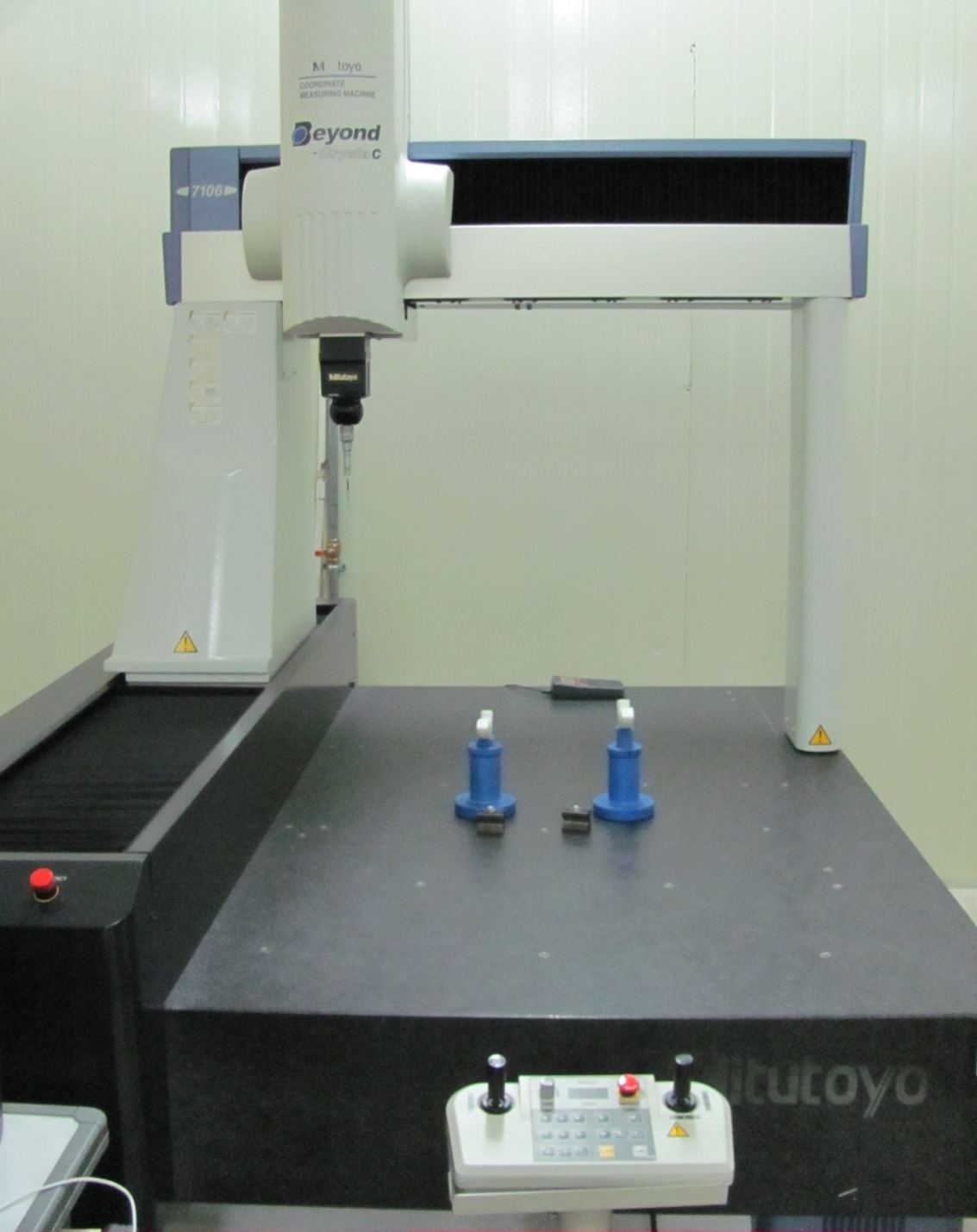
CMM, height measurement and hardness testing
Review methods & equipment →
Grade, condition and required certificates linked to the agreed project scope.
Measured features mapped to the controlled drawing and acceptance limits.
First-piece approval, in-process checks and final inspection planning.
Inspection records, traceability and approved disposition of any deviations.
Industry applications
Different industries.
Specific engineering demands.
Explore representative parts and the interfaces, materials and process considerations behind them.

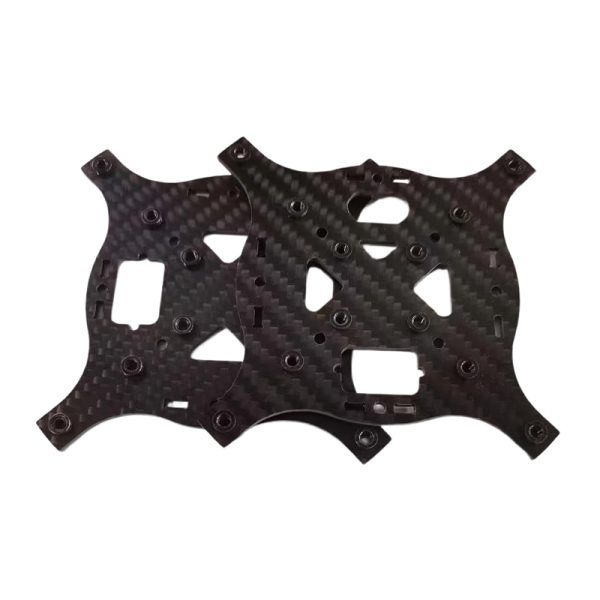

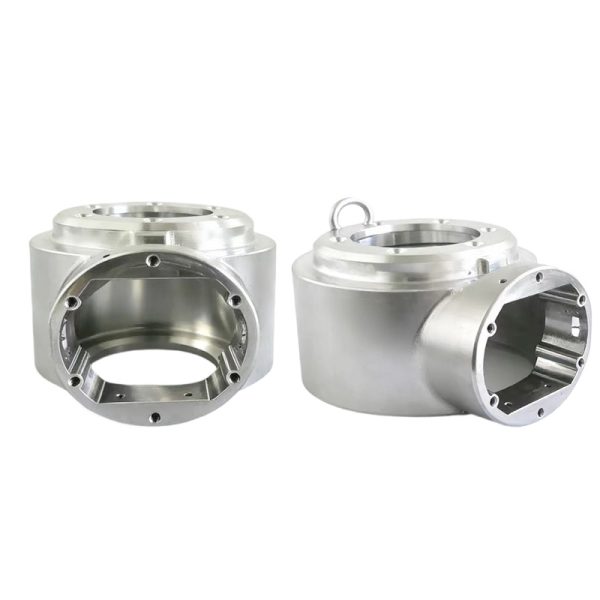

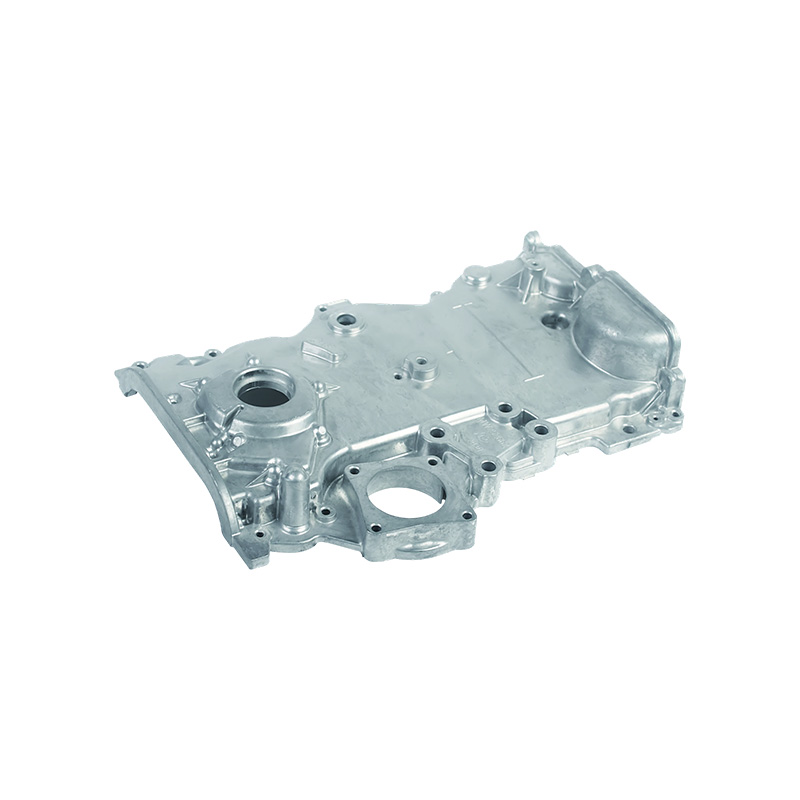

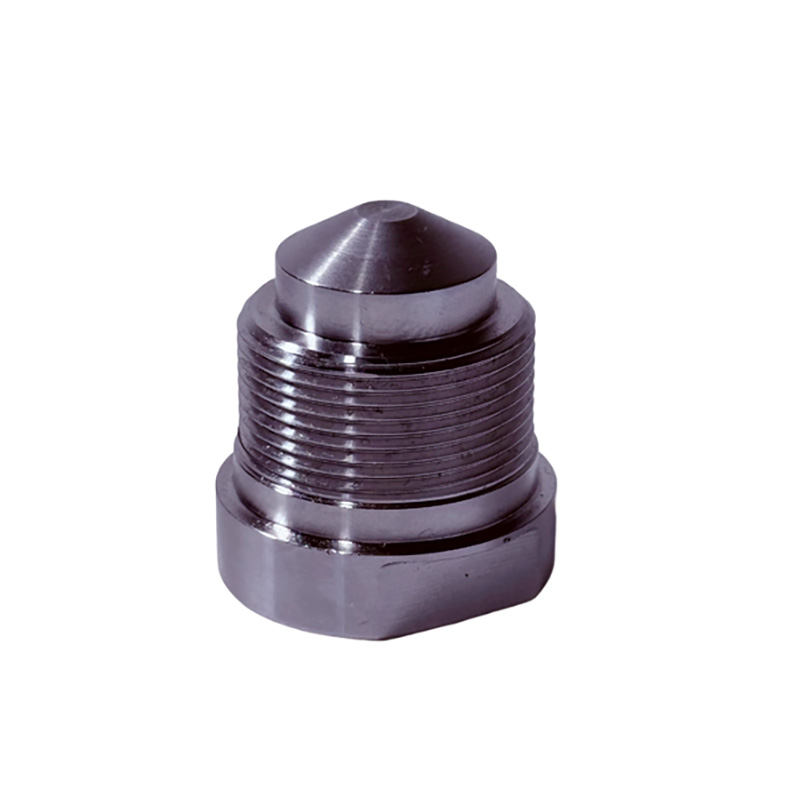
Product examples help define your requirements. Materials, specifications and project qualification are reviewed against your drawing.

Know where your parts come from
A factory you can locate.
A project you can discuss.
3,000 m²Our manufacturing facility occupies an entire building in Dongguan, Guangdong, China.
Discuss your part directly, review project requirements and arrange a factory visit.
No. 156, Xinmalian, Dalang Town,
Dongguan, Guangdong, China
Your path from enquiry to approved parts
Clear inputs. Agreed scope. Fewer surprises.
Send your requirements
CAD, drawing revision, material, quantity, finish and the problem your part needs to solve.
Resolve the critical details
Discuss process suitability, important interfaces, inspection scope and any open questions.
Agree before production
Confirm quotation, specifications, approval points, documentation and delivery requirements.
Review the agreed evidence
Use the required checks and records to support acceptance and release of your parts.
Engineering & procurement resources
Useful answers before you order.
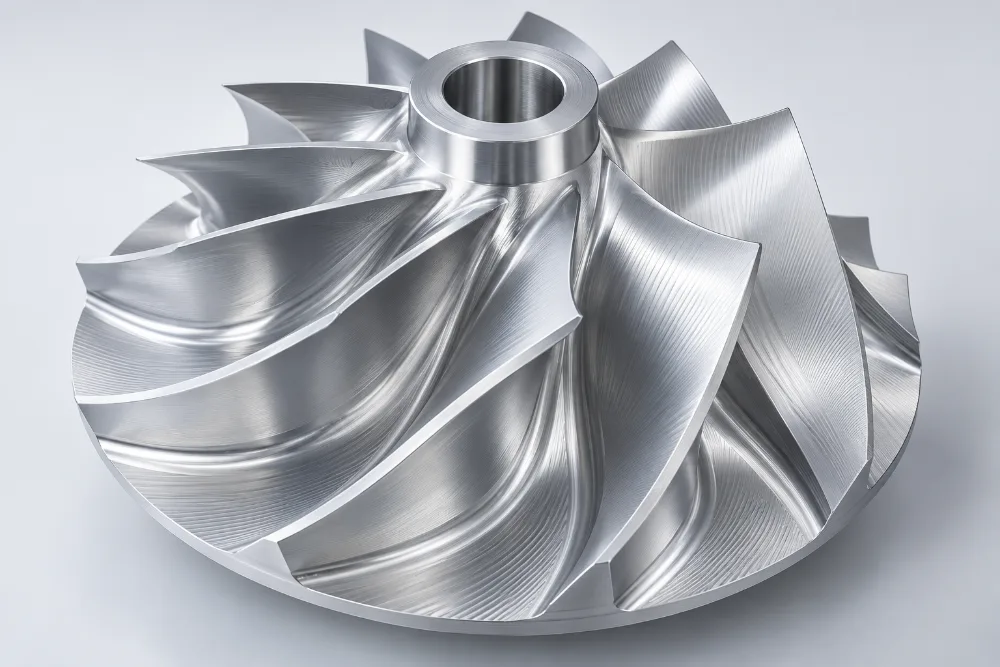
Thin-wall machining: reduce distortion
Understand the design, workholding and process choices that affect thin-wall stability.
Read the Engineering Guide →CNC machining RFQ checklist
Give suppliers the same brief so your team can compare scope, cost and inspection deliverables.
Read the Procurement Guide →Supplier selection questions
What should you clarify before choosing a manufacturer?
Start with the drawing and the evidence your team needs to make a decision.
What manufacturing services does LXCET provide?
LXCET provides CNC milling, 5-axis machining, precision turning, die casting, metal stamping, sheet metal bending, 3D printing, welding and assembly. Compare our manufacturing processes against your drawing, material and order quantity.
Where is LXCET located?
LXCET is located at No. 156, Xinmalian, Dalang Town, Dongguan, Guangdong, China. See our factory information or contact Tony Zhou at tonyzhou@lxcet.com to arrange a visit.
Can you make my part to the required size and tolerance?
Send the CAD model and controlled drawing. Size and tolerance feasibility depend on geometry, material, workholding, tooling and measurement strategy. Critical requirements are reviewed before quotation is confirmed.
What information makes an RFQ complete?
Include the part number, drawing revision, CAD, material and condition, quantity, finish, critical features, inspection documents, target date and delivery destination.
How should I specify quality and inspection?
Identify critical features, datums, acceptance limits, sampling or 100% inspection requirements, first-piece approval points and required records. Agree on special tests and documentation at quotation. Review our quality and inspection planning.
How do prototypes transition to production?
Control the drawing revision and record changes from prototype approval. Review quantity, tooling, finish, inspection and packaging for the intended production stage.
Can I visit the factory?
Contact Tony Zhou to arrange a visit to the Dongguan facility. The address and map are available above so your team can plan the discussion.
Start with your part
Share your drawing.
Tell us what must work.
Give engineering and purchasing a clear starting point. Discuss the critical features, project stage and evidence you need to approve your parts.
Direct contact: tonyzhou@lxcet.com
Your enquiry checklist
- CAD file + controlled 2D drawing
- Material grade + heat treatment + finish
- Prototype and production quantities
- Critical dimensions + inspection requirements
- Target date + delivery destination


