As drone technology continues to develop, standard multi-rotor drones can no longer meet the needs of certain high-speed, long-range, and heavy-payload applications. Turbine drones, with stronger power systems, higher flight efficiency, and more stable structural performance, are increasingly used in scientific research, industrial inspection, aviation testing, and high-end UAV platforms.
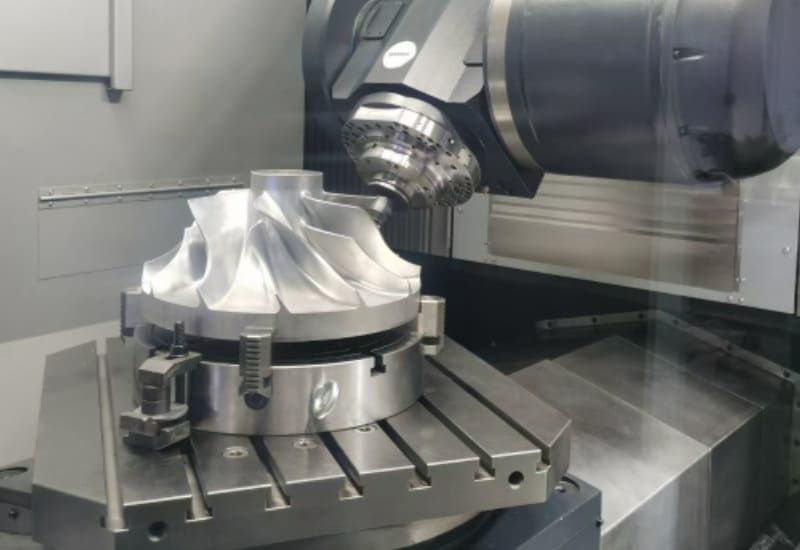
In the manufacturing of turbine drones, CNC machining plays a very important role. From fuselage structural parts and engine housings to air intake components, mounting brackets, and heat dissipation parts, these components require high precision, high strength, and lightweight manufacturing capabilities.
What Is a CNC Turbine Drone?
A CNC turbine drone usually refers to a UAV platform powered by a turbine system and manufactured with a large number of CNC-machined components.
Compared with ordinary electric drones, turbine drones have more complex structures and higher requirements for part precision, material strength, heat resistance, and assembly stability. Therefore, CNC precision machining is an ideal solution for manufacturing key components.
Applications of CNC Machining in Turbine Drones
1. Turbine Engine Housing
The turbine system must withstand high-speed operation, high temperatures, and continuous vibration. Therefore, the engine housing needs excellent strength and structural stability. CNC machining can produce high-precision metal housings to ensure consistent dimensions, tight assembly, and improved overall reliability.
Common materials include:
- Aluminum alloy
- Stainless steel
- Titanium alloy
- Heat-resistant alloy
2. Air Intake and Flow Guide Components
Turbine drones require efficient airflow. Air intakes, guide covers, and duct structures can directly affect the performance of the power system. CNC machining can produce complex curved surfaces, thin-wall structures, and high-precision profiles, helping improve airflow stability.
3. Fuselage Frame and Connectors
Turbine drones usually require a stronger fuselage structure to withstand high-speed flight and power system vibration. CNC aluminum frames, arm connectors, mounting bases, and reinforcement brackets can effectively improve overall strength while keeping the drone lightweight.
4. Heat Dissipation Parts
Turbine power systems generate a large amount of heat during operation. CNC machining can be used to manufacture heat sinks, heat dissipation housings, and metal thermal conduction parts, helping the drone maintain stable performance.
5. Landing Gear and Mounting Brackets
Landing gear, sensor brackets, camera mounts, and internal fixing parts of turbine drones are also commonly made by CNC machining. High-precision parts can reduce assembly errors and improve overall flight stability.
Advantages of CNC Machining for Turbine Drone Parts
High Precision
Turbine drone parts often require strict control of dimensions, tolerances, and concentricity. CNC machining follows 3D drawings and digital programs to ensure high precision and consistent part quality.
High Strength
CNC machining is suitable for high-strength materials such as aluminum alloy, titanium alloy, and stainless steel, meeting the structural strength and durability requirements of turbine drones.
Lightweight Design
Weight is extremely important for drones. CNC machining allows lightweight structures such as hollow designs, weight-reduction slots, and thin-wall features while maintaining strength, helping improve flight efficiency.
Suitable for Complex Structures
Turbine drone parts often include complex curved surfaces, multi-angle holes, threaded holes, slots, and mounting surfaces. CNC machining is especially suitable for producing these complex precision components.
Supports Rapid Prototyping
During turbine drone development, structural testing and repeated design modifications are often required. CNC machining does not require molds, making it ideal for fast prototype production and design verification.
Common Materials for CNC Turbine Drone Parts
Aluminum Alloy
Aluminum alloy is lightweight, strong, and easy to machine. It is widely used for drone structural parts such as frames, connectors, housings, and brackets.
Titanium Alloy
Titanium alloy offers high strength, corrosion resistance, and heat resistance. It is suitable for critical load-bearing components in high-end turbine drones.
Stainless Steel
Stainless steel has high strength and good wear resistance. It is commonly used for shaft parts, fasteners, connecting pins, and small high-strength structural parts.
Copper Alloy
Copper alloy has excellent thermal conductivity and is suitable for certain heat dissipation parts and thermal conduction structures.
Engineering Plastics
Engineering plastics such as POM, PEEK, and nylon can be used for insulation parts, lightweight brackets, and protective components in non-high-temperature areas.
Surface Treatment Processes
To improve the appearance and durability of CNC turbine drone parts, common surface treatments include:
- Anodizing
- Sandblasting
- Brushing
- Polishing
- Electroplating
- Hard anodizing
- Painting
- Passivation
For example, anodized aluminum parts not only look more refined but also offer better corrosion resistance and wear resistance.
Which Turbine Drone Parts Are Suitable for CNC Machining?
Common CNC turbine drone components include:
- Turbine engine housing
- Air intake components
- Flow guide covers
- Fuselage frames
- Drone arm connectors
- Motor mounting bases
- Heat dissipation housings
- Landing gear connectors
- Camera brackets
- Sensor mounts
- Internal fixing brackets
- Metal protective covers
- Custom aluminum structural parts
How to Choose a CNC Turbine Drone Parts Manufacturer
When choosing a machining manufacturer, consider the following factors:
Machining capability: Whether the manufacturer has 3-axis, 4-axis, or 5-axis CNC machining equipment.
Material experience: Whether they are experienced with aerospace-grade materials such as aluminum alloy, titanium alloy, and stainless steel.
Precision control: Whether they have inspection equipment such as CMM machines, projectors, and height gauges.
Surface treatment capability: Whether they support anodizing, hard anodizing, sandblasting, polishing, and other finishing processes.
Prototyping ability: Whether they support rapid prototyping and small-batch customization.
Quality management: Whether they have a complete inspection process to ensure stable and consistent quality for every batch.
Conclusion
CNC machining is an essential manufacturing process for turbine drones. It meets the requirements for high precision, high strength, lightweight design, and complex structures. For UAV development companies, aviation testing platforms, and high-end drone manufacturers, choosing a professional CNC machining service provider can effectively improve product quality, shorten development cycles, and enhance overall drone performance.