



Energy & Power · Drawing-based custom machining
CNC Machined Battery Housing: Application & Engineering Review
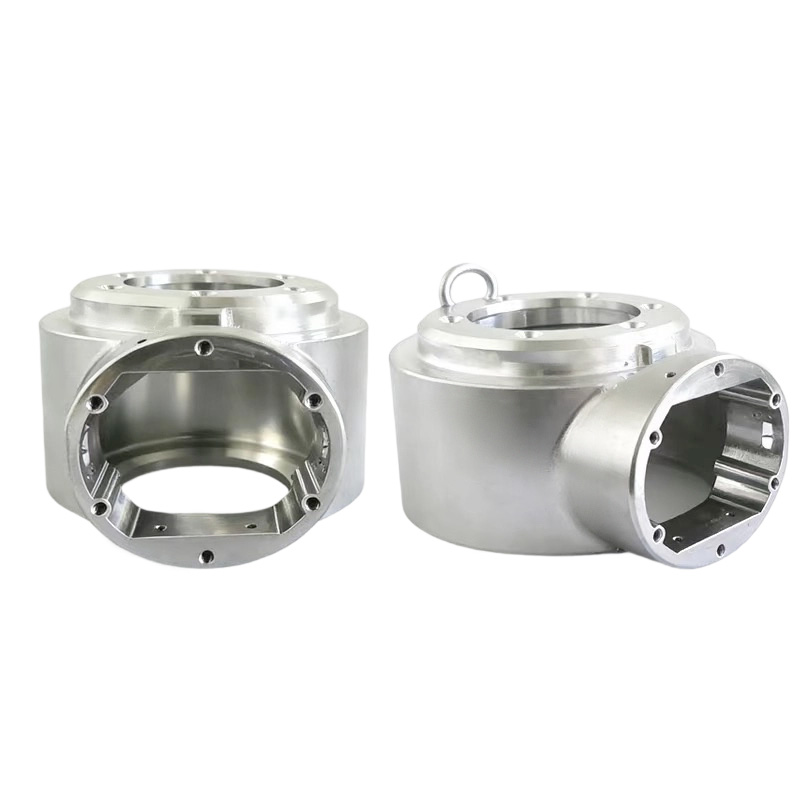
Pocketed enclosure geometry for a custom battery or power-electronics design. This component geometry is presented to help engineering and purchasing teams specify a custom part. Final material, dimensions and suitability are defined by your approved design.
What problem should this part solve?
Thin walls, cover fit and thermal-contact surfaces need different acceptance checks; a housing alone does not establish battery safety. Start with the functional interfaces so that manufacturing and inspection work from the same acceptance criteria.
Material, process and inspection plan
| Application | Pocketed enclosure geometry for a custom battery or power-electronics design. |
|---|---|
| Manufacturing route | CNC milling of pockets, ribs, mounting holes and sealing or cover interfaces. |
| Material options to review | Specify aluminum alloy or another approved material against electrical isolation, heat and environment requirements. |
| Surface finish to specify | Deburring and compatible anodizing or coating; identify grounding, thermal and sealing surfaces that need masking. |
| Critical inspection features | Pocket dimensions, cover-hole pattern, sealing-face condition and specified thermal-interface flatness. |
| Dimensions & tolerance | Made to the approved customer drawing. Supply overall dimensions in mm, datums, fits and feature-specific tolerances; final capability is confirmed after engineering review. |
| Prototype & production | Quote sample and repeat-order quantities separately. Lead time, inspection documents and delivery scope are confirmed in the quotation. |
Machining difficulty and practical solution
CNC milling of pockets, ribs, mounting holes and sealing or cover interfaces. Pocket dimensions, cover-hole pattern, sealing-face condition and specified thermal-interface flatness are the features to prioritize in the setup and inspection plan. Review tool access and workholding before freezing the drawing; agree any secondary operation rather than assuming it is included.
RFQ and sample approval checklist
Provide the CAD model and revision-controlled drawing, exact material grade, pocket dimensions, cover-hole pattern, sealing-face condition and specified thermal-interface flatness, required finish and prototype/production quantities. Identify the features that control assembly and state the reports needed for release.
- Approve the first-piece measurement scope and the applicable drawing revision.
- Confirm material documents, final finish and packaging needed for your assembly.
- Review the sample against mating parts before approving repeat production.
Can LXCET review a custom version?
Send your drawing for a feasibility review of custom CNC aluminum battery enclosure. The equipment and process guide explains listed machine ranges; the quality and inspection page explains how to define acceptance evidence. A machine’s travel or listed precision value is not a universal finished-part tolerance.
Request a Drawing Review → tonyzhou@lxcet.com
Related Energy & Power components
Technical reference and image scope
Contact base material and plating serve different mechanical and environmental functions; a machined shape alone does not establish an electrical rating. TE Connectivity contact-material guidance.
Product photograph from the existing LXCET media library. Application descriptions are engineering review examples, not claims of a delivered customer program, certification or tested service rating. Material cannot be verified from appearance alone.