


Blog

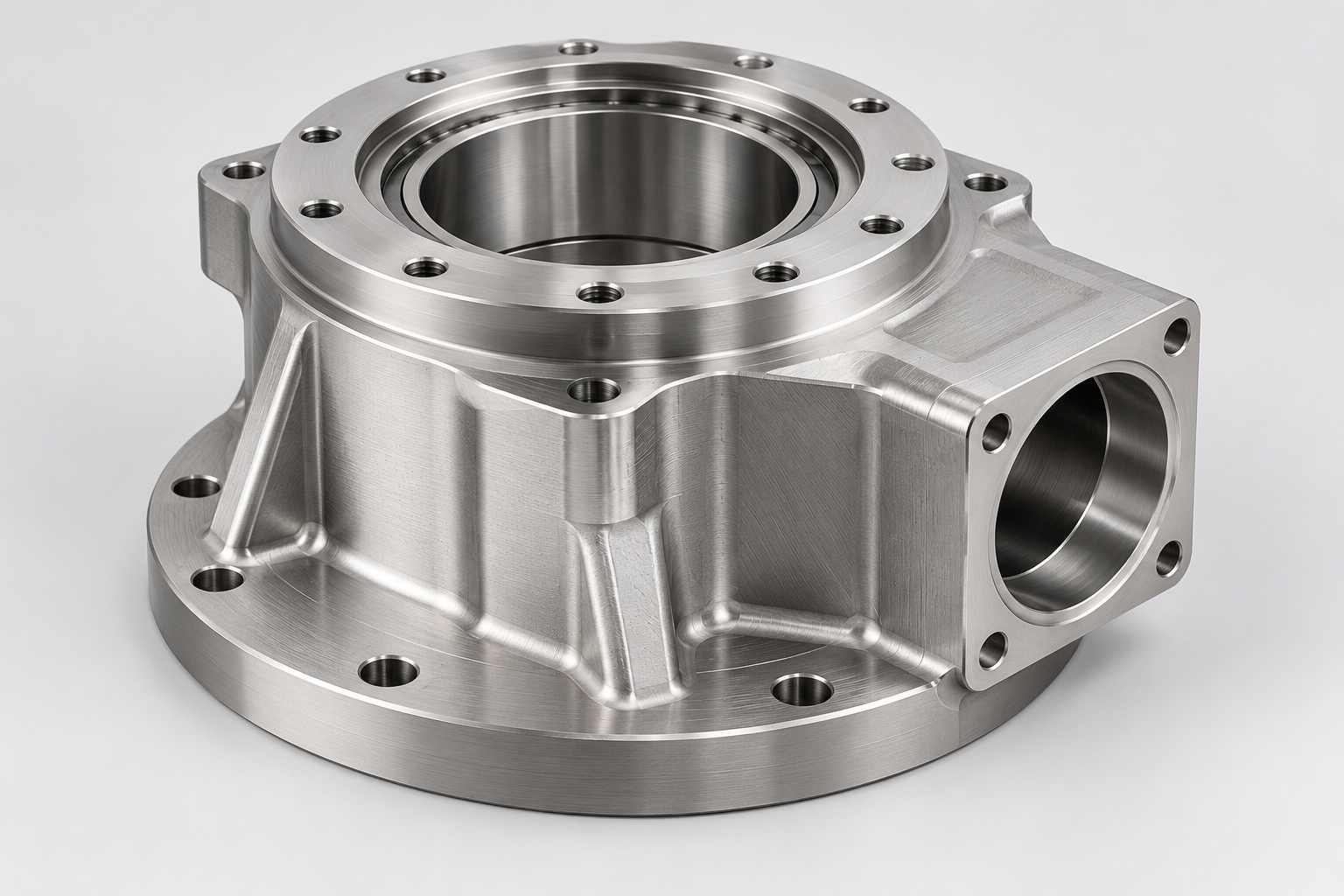
You send the same CAD model to three machining suppliers and receive three very different prices. Is the cheapest quote a better process, or does it exclude inspection, finishing or a critical tolerance? A useful CNC machining RFQ checklist gives every supplier the same requirements and makes exceptions visible before an order is placed.
Why CNC machining quotes are difficult to compare
A price can reflect different material conditions, tolerance assumptions, quantities or inspection deliverables. The buyer needs a written description of the included result, not just a unit price. A supplier’s standard service scope should be read as that supplier’s offer; it should never be assumed to apply to another shop.
For example, Protolabs distinguishes between several inspection-report options, while Protolabs Network publishes separate manufacturing requirements and default tolerances. These sources demonstrate why inspection scope and exceptions must be made explicit. They are not statements of LXCET’s capabilities or an endorsement of any supplier. Protolabs inspection information; Protolabs Network manufacturing standards.
The CNC machining RFQ checklist: send one controlled package
| RFQ item | What to provide | Why it matters |
|---|---|---|
| Part identity | Part number, drawing revision, model revision and units | Prevents suppliers from pricing different versions. |
| Geometry | 3D model and dimensioned 2D drawing where required | Separates shape from tolerances and written requirements. |
| Material | Grade, temper or condition, and substitution policy | Makes material assumptions visible. |
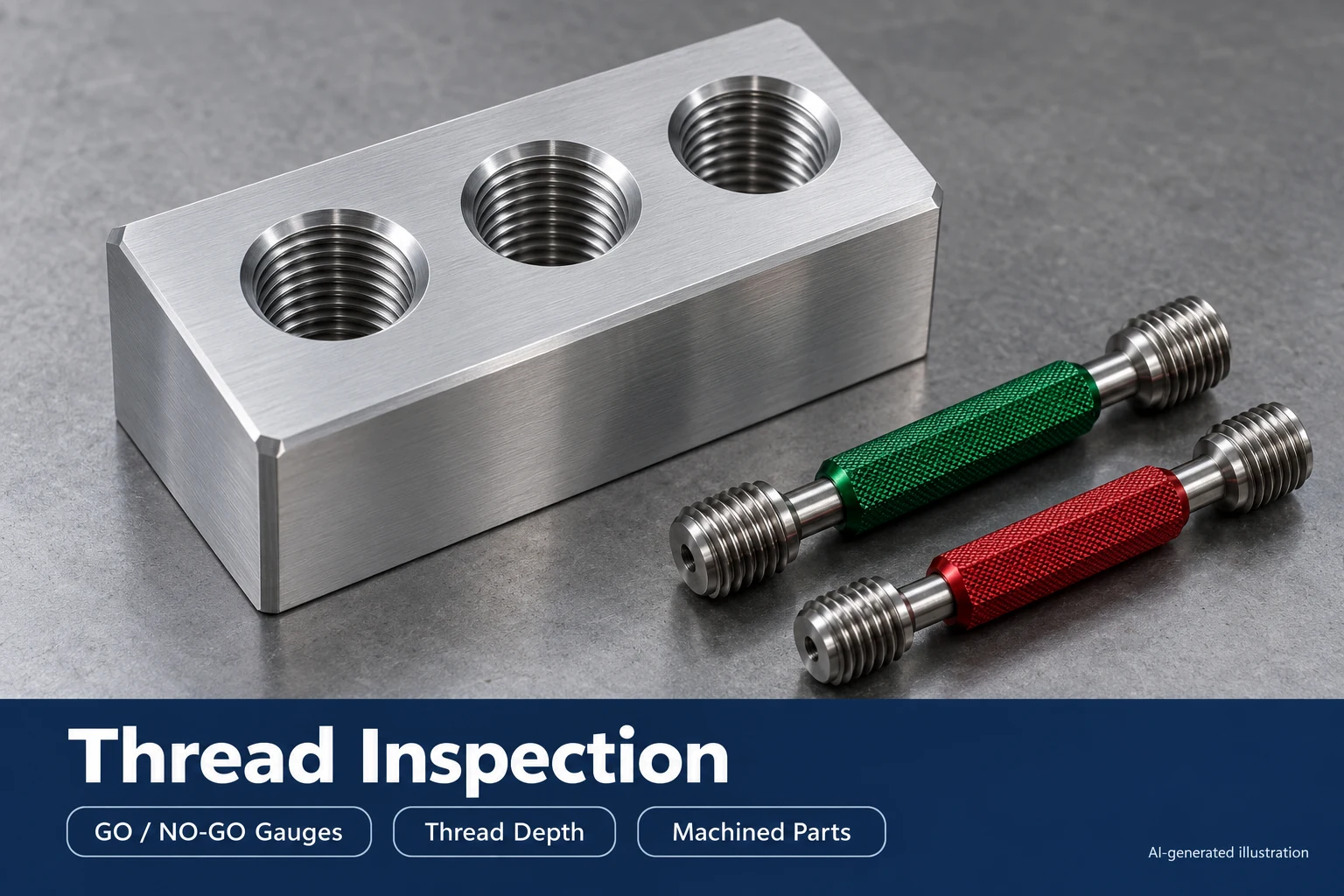
| Functional features | Datums, fits, threads, geometric controls and critical surfaces | Connects manufacturing and inspection to assembly. |
| Finish | Finish specification, appearance, masking and critical post-finish dimensions | Defines the completed part rather than a bare machined blank. |
| Quantity | Prototype quantity, batch quantities and expected repeat orders | Allows setup and recurring costs to be separated. |
| Verification | Required certificates, measurement reports and sampling plan | Defines evidence that must accompany the order. |
| Delivery | Required arrival date, destination, packing and agreed delivery terms | Separates manufacturing time from transit and other arrangements. |
How to describe tolerances without pricing every surface as critical
Ask engineering to identify the interfaces that control fit, function and assembly. State the applicable general tolerances and any exceptions, rather than relying on an unnamed shop default. Do not relax an existing functional control solely to reduce the quote: request a documented engineering review first.
For a robot housing, the drawing may need to relate a bearing bore to a mounting face or a second bearing seat. A list of independent size dimensions may not express the intended alignment. Include an assembly sketch if it helps explain the design, while keeping the approved drawing as the controlling document. See the robotics application example and our thin-wall machining review framework for questions to discuss with engineering.
Ask for inspection deliverables before requesting a final price
Specify which features must be reported, how the results should be identified and whether checks are required on a sample or throughout the batch. “Inspection included” is too vague for a part with critical fits. An agreed report should connect measured results to the drawing revision and feature identifiers.
- Define material documentation and the required link to the supplied batch.
- State whether a first-piece or first-article report is needed and identify its format.
- Identify dimensions or geometric controls that require recorded results.
- Agree on sampling, measurement conditions and any special gauges or mating checks.
- List the documents required at shipment and how deviations will be handled.
Do not assume that a material certificate alone verifies geometry or that a dimensional report demonstrates every environmental or performance requirement. Match the evidence to the risk and confirm the supplier’s proposed scope in writing.
A quote comparison table procurement can actually use
Copy the following structure into the comparison sheet and ask suppliers to complete missing information. Use “not confirmed” rather than a guessed answer.
| Comparison field | Supplier response required | Decision question |
|---|---|---|
| Requirements accepted | Drawing revision and written exceptions | Are all offers for the same part? |
| Price structure | Setup, tooling, unit price, finishing and inspection | Which costs recur and which are one-time? |
| Documents | Included reports and certificates | Will the order arrive with the evidence needed for acceptance? |
| Schedule | Technical approval, sample, production and dispatch milestones | Which event starts the quoted lead time? |
| Delivery scope | Freight, packaging, delivery terms and buyer responsibilities | What remains outside the quoted price? |
| Changes | Revision, rework and nonconformance process | How will an unresolved difference affect the order? |
Resolve exceptions before placing the purchase order
Suppose one offer accepts every specified inspection item and another only states “standard inspection.” The prices are not yet directly comparable. Send a clarification asking the second supplier to confirm the listed deliverables and revise the offer if necessary. Preserve the reply with the quote so engineering, procurement and incoming inspection use the same agreement.
This is a hypothetical purchasing example, not a customer case or a claim of savings. The objective is a defined, reviewable offer. The best commercial decision depends on the accepted requirements, verification evidence, delivery risk and total scope.
Final RFQ release check
- Model and drawing revisions match, with an agreed document-precedence rule.
- Material substitutions require approval.
- Critical fits, threads, finish and edge requirements are written clearly.
- All suppliers receive the same quantity breaks and delivery information.
- Inspection evidence and document requirements are included.
- Assumptions and exceptions have been closed or accepted by the responsible engineer.
To discuss an LXCET quote, send the controlled package to tonyzhou@lxcet.com. Material availability, process route, achievable tolerances, inspection scope and delivery are confirmed for the actual project. For more context, read our guide to sourcing CNC parts in China and machining material selection guide.
















2 thoughts on “CNC Machining RFQ Checklist: Get Comparable Quotes”
Здравствуйте. Хотел уточнить по поводу ваших услуг некоторые моменты. Отпишите пожалуйста мне на sergejgnasko0@gmail.com хочу это обсудить