
Blog
Machined Parts Packaging Requirements: Prevent Transit Damage
A batch passes dimensional inspection, then arrives with contact marks on mating faces and corrosion inside the bag. The purchase order specified the part, but said only “standard export packing.” Machined parts packaging requirements should protect the characteristics that made the parts acceptable in the first place.
Start with the features that cannot be damaged
Mark precision bores, sealing faces, threads, sharp functional edges and visible cosmetic surfaces on the drawing. Describe what damage is unacceptable and how incoming inspection will assess it. Do not invent a universal scratch allowance: a handling mark on an unused face has a different consequence from one crossing a sealing track.
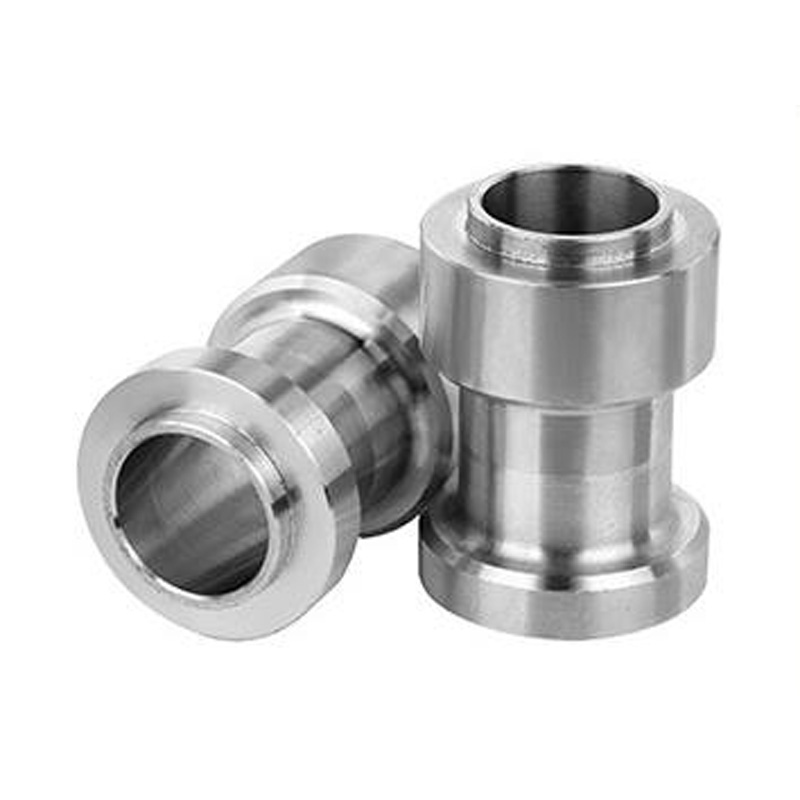
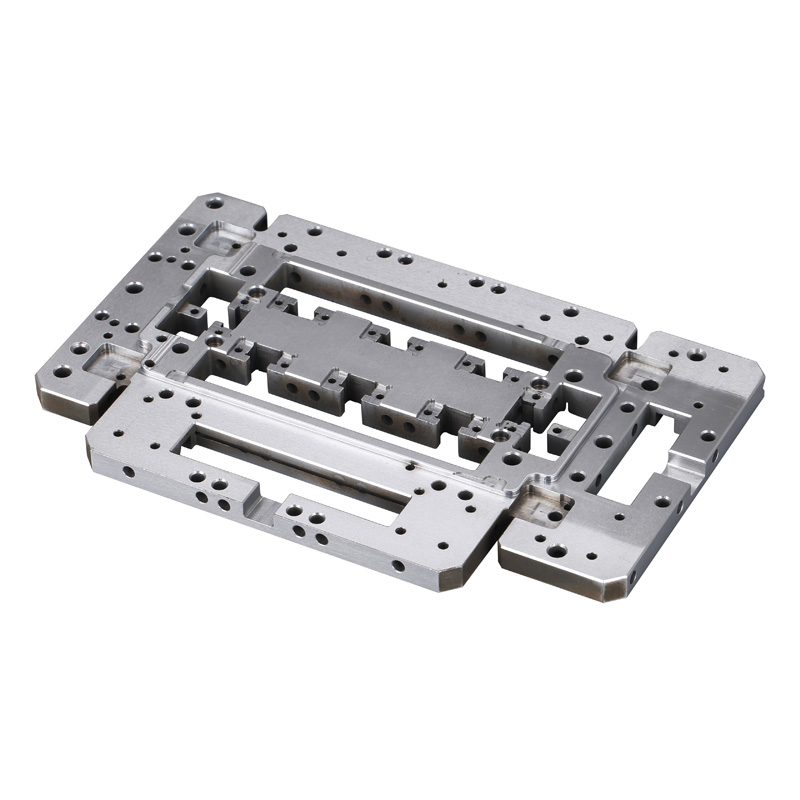
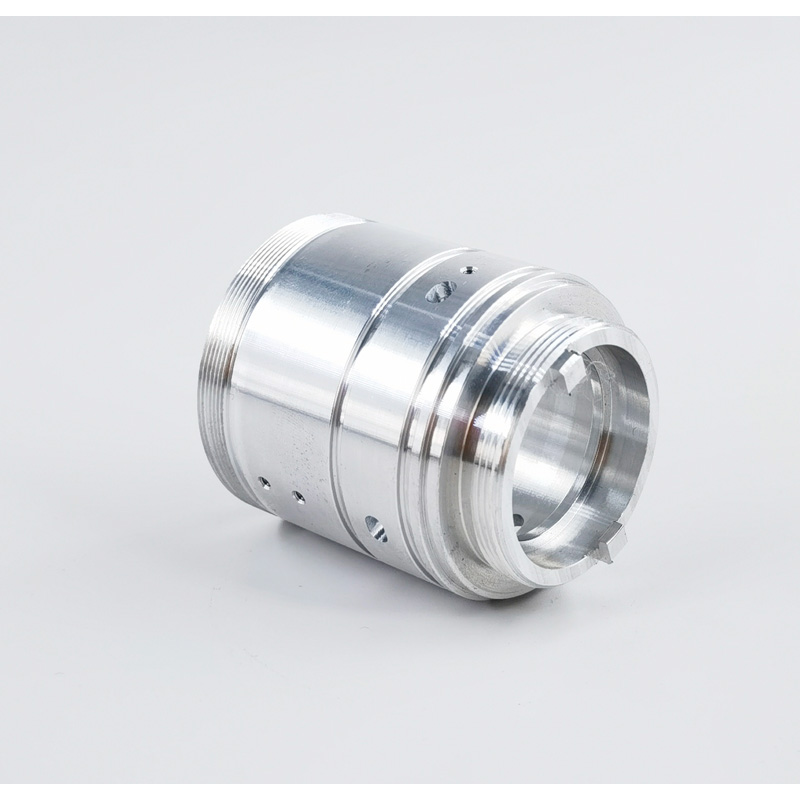
For a machined plate, ask whether neighboring parts can slide across its mounting faces. For a turned sleeve, consider contact at the fit diameter and exposed threads. Ask the supplier to propose separation and support around those features, then review the sample packing with engineering and receiving personnel.
Separate corrosion protection from mechanical protection
Vapor corrosion inhibitor packaging, often called VCI, is one preservation option. Cortec explains that its VCI papers protect metal within an enclosed package and gives instructions for wrapping or interleaving parts without free airflow. That description applies to the manufacturer’s products; it does not mean any bag or paper sold as VCI is interchangeable.
Cortec’s technical guidance on packaging applications also identifies clean, dry metal and access of protective vapors to the surface as relevant conditions. Confirm the chosen material’s instructions, compatibility and intended storage period. Corrosion protection does not provide a substitute for cushioning or stop two parts striking each other.
Ask what preservative, oil, film or paper will touch the parts and whether it is acceptable for the next operation. A surface destined for bonding, coating or a cleanliness-controlled assembly may need a different plan from a general machinery component. Define removal and cleaning responsibilities where a preservative is required.
Write machined parts packaging requirements that can be checked
| Risk | Requirement to agree | Acceptance evidence |
|---|---|---|
| Parts contact each other | Individual separation or a partitioned layout that protects critical surfaces | Photographs of the open pack and a representative packed sample |
| Thread or bore damage | Suitable covers or supports without harmful contact or residue | Fit and condition checks after unpacking |
| Corrosion during transit or storage | Compatible preservation, enclosure method and intended duration | Packaging material identity and conformity with its instructions |
| Mixed revisions or material lots | Separation and labels linking each pack to its approved identity | Labels matched to packing list and inspection records |
| Unpacking introduces contamination | Defined cleanliness, handling and removal instructions | Receiving procedure and agreed cleanliness evidence |
Quote the same packing scope across suppliers
Request the quantity per inner pack, quantity per carton, approximate packed dimensions and gross weight. State whether packing cost is included in the unit price or charged separately. Define any returnable containers, pallet requirements or customer-specific labels before the order is released.
Illustrative planning calculation: a shipment of 240 components at 12 per inner tray needs 20 trays. If four trays are packed per carton, the shipment needs five cartons. Those quantities are arithmetic only; they do not validate load capacity, cushioning or the selected pack. Confirm the physical arrangement against the actual part mass and shipment conditions.
Use the same transport assumptions when comparing quotations. An air shipment, a consolidated sea shipment and a period of warehouse storage expose packaging to different handling and environmental conditions. Ask who approves the design and what evidence will be used to establish suitability. If distribution testing is required, specify the applicable protocol and acceptance criteria rather than an unsupported claim of “drop tested.”
Connect each pack to the inspection evidence
At minimum, agree the part number, revision, quantity and required batch or lot identification on the pack. Decide where the material certificate and inspection report references appear. For mixed orders, use a packing list that lets receiving staff locate each item without opening every protective enclosure.
Record the condition at receipt before discarding the packaging. For damage or corrosion, retain affected parts, labels and packing materials where practical, and document the location within the carton. That record supports a focused investigation; it is more useful than assuming the cause from the final stain alone.
RFQ and pre-shipment checklist
- Identify critical surfaces, cleanliness needs and unacceptable handling damage.
- Agree separation, support and protection of bores, threads and mating faces.
- Specify compatible preservation and the intended transport and storage conditions.
- List inner-pack and carton quantities, labels and document references.
- Confirm packing price, dimensions, weight and any returnable packaging terms.
- Review an open-pack photo or representative sample before the full shipment.
- Agree receiving checks and the evidence needed to investigate a problem.
Include packing in the RFQ package
Use the machining RFQ checklist and inspection report checklist alongside the drawing. Send your quantity, delivery destination and packaging requirements to tonyzhou@lxcet.com or the enquiry form. Ask for written confirmation of the supplied condition and packing scope.