


Robotics · Drawing-based custom machining
CNC Machined Robot Arm Section: Application & Engineering Review
A robot arm section is a stiffness statement: its cross-section, rib layout and joint interfaces determine how much the arm deflects under payload and how steadily it stops. Machined arm sections differ from weldments because the interfaces arrive true, without weld distortion to correct later.
What this part must do in service
The review starts from the load case, reach, payload and acceleration, then works through deflection targets to section depth and rib strategy. Joint interface bores and mounting faces carry their own concentricity requirements, and internal cabling or counterweight routing shapes the section before any metal is cut.
Specification review
| Function in service | Machined structural sections for robot arms and gantries, including joint-interface ends and cable-routed variants. |
|---|---|
| Manufacturing route | Large-envelope CNC milling with deep pocketing, interface boring on referenced setups, stress-managed sequencing. |
| Material options reviewed | 6061-T651 plate for general sections; 7075-T7351 where deflection binds; 5083 where welded subassemblies join. |
| Surface treatment | Type II or III anodize; masking at bearing and ground interfaces; edge radiusing on cable paths. |
| Tolerance focus | Interface bore position ±0.03 mm between ends; mounting face flatness 0.05 mm; mass recorded against target per section. |
Machining difficulty and how we control it
Deep pocketing removes most of the mass and most of the stiffness reserve with it; the art is where to stop. We rough pockets symmetrically, leave the interface ends for finishing after stress release, and verify bore-to-bore alignment across the section on the CMM, because that alignment is what the joint feels.
RFQ checklist for this part
- Load case, reach, payload and acceleration profile, which set deflection targets.
- Joint module interfaces at each end with their registration and bolt standards.
- Internal routing for cables or counterweights, and the mass budget per section.
Buyer questions
How much lighter than a welded arm section can a machined one be?
Typically 20-40% for equal stiffness, because material goes only where the load path needs it and no weld mass or distortion allowance exists. Give us the load case and we will compare both in the review.
Can machined sections be joined into longer arms without welding?
Yes, bolted and doweled joints with machined registration features are standard and stay serviceable. The joint design becomes part of the review so stiffness is not lost at the interface.
Can LXCET review a custom version?
Send your drawing for a feasibility review of CNC robot arm section machining. The equipment and process guide lists machine ranges; the quality and inspection page explains acceptance evidence.
Request a Drawing Review → tonyzhou@lxcet.com
Related Robotics components
Technical reference and image scope
Bearing-seat fits must be selected for the actual bearing and loading arrangement. SKF bearing interface guidance.
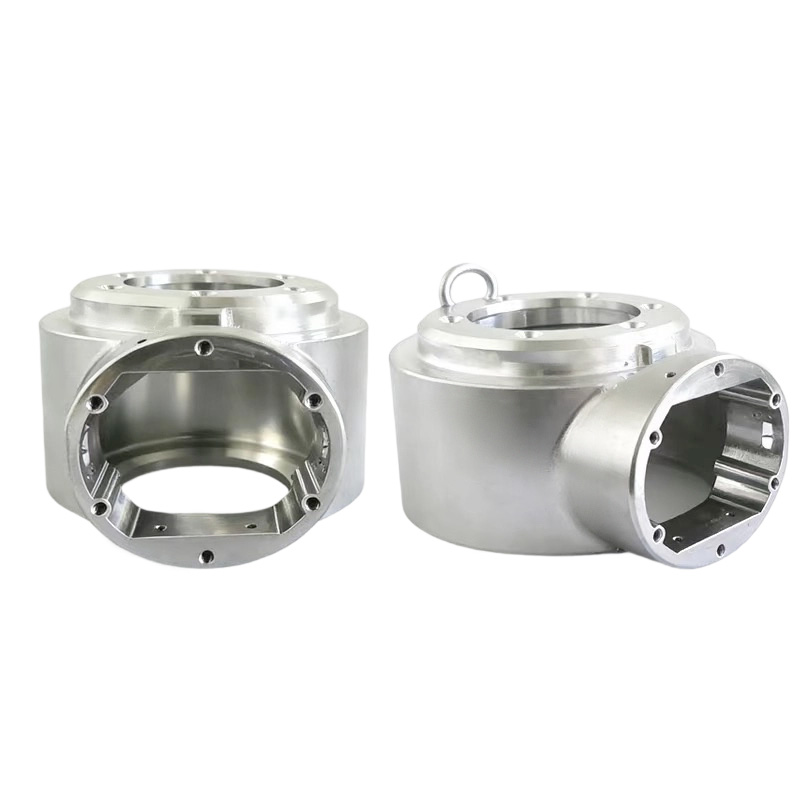
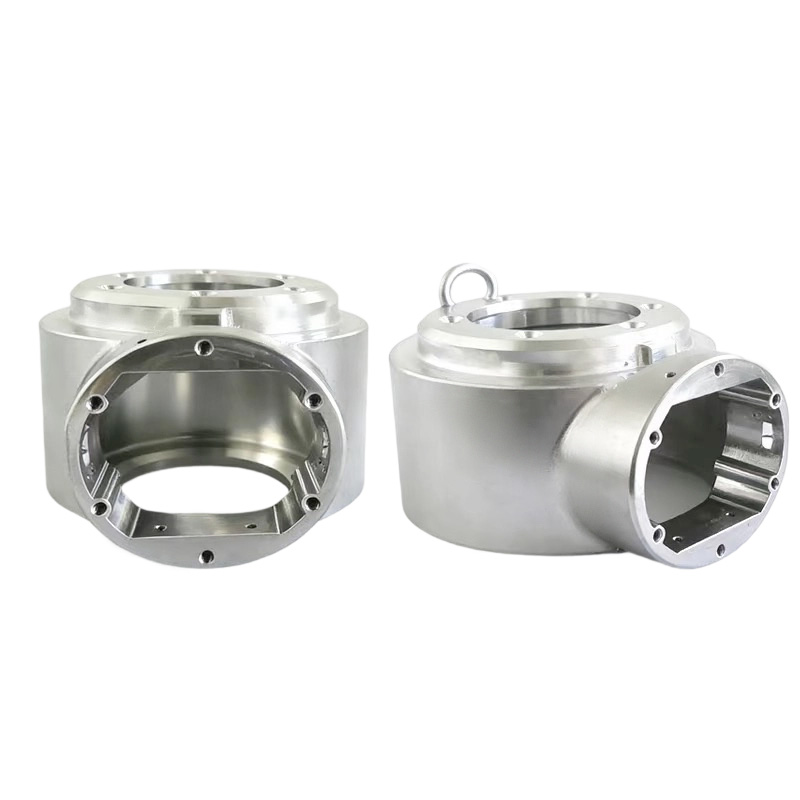
Product photograph from the existing LXCET media library. Application descriptions are engineering review examples, not claims of a delivered customer program, certification or tested service rating. Material cannot be verified from appearance alone.


