
Blog
CNC Fixture Costs: What to Check Before Approving a Quote
A separate fixture charge can make two CNC quotations look difficult to compare. One supplier lists it upfront; another includes preparation in the unit price. Before approving CNC fixture costs, ask what workholding is being provided, which drawing revision it supports, and what will be charged on a repeat order.
Paying for a fixture does not, by itself, define storage, access to its drawings, or transfer to another supplier. Record those arrangements separately in the purchase scope.
What CNC fixture costs should include
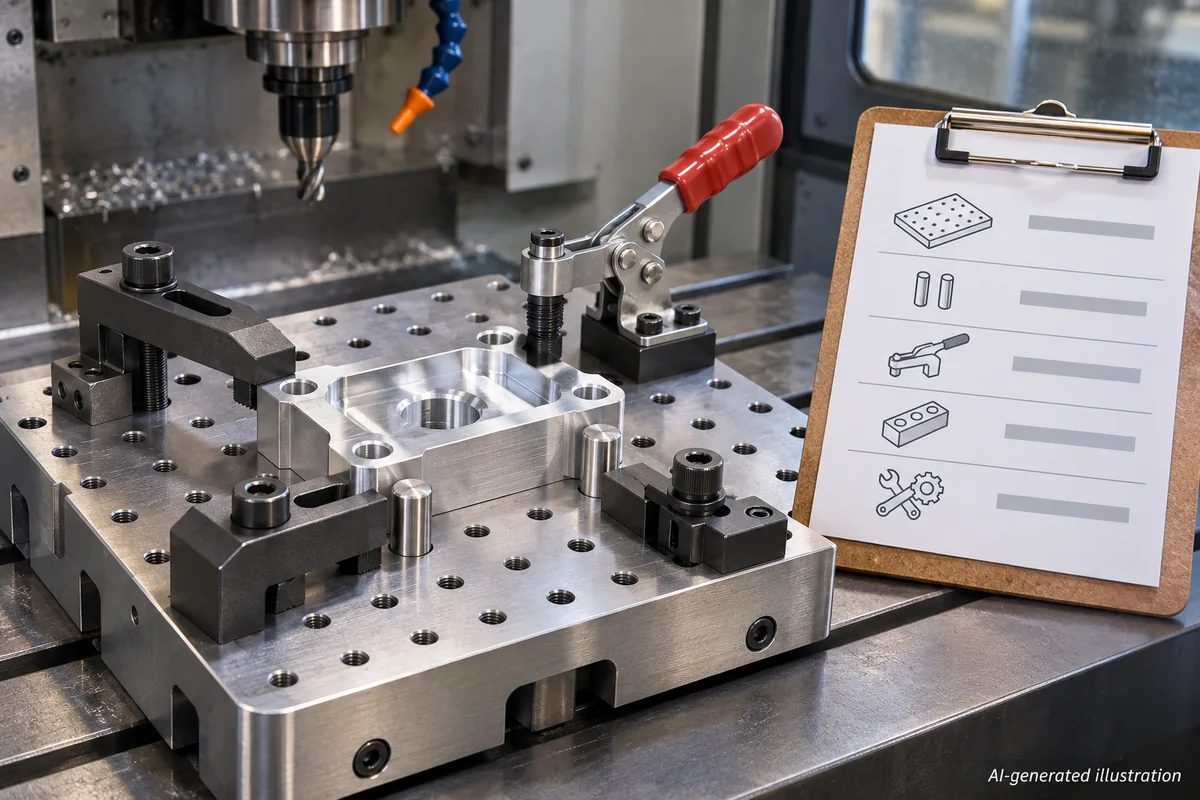
A fixture locates and holds a workpiece for machining. It is different from the cutting tools, the CNC program and the time spent setting the machine. A quotation may combine these items under “tooling” or “NRE” (non-recurring engineering). Ask for the scope behind that label rather than assuming every item is a physical asset.
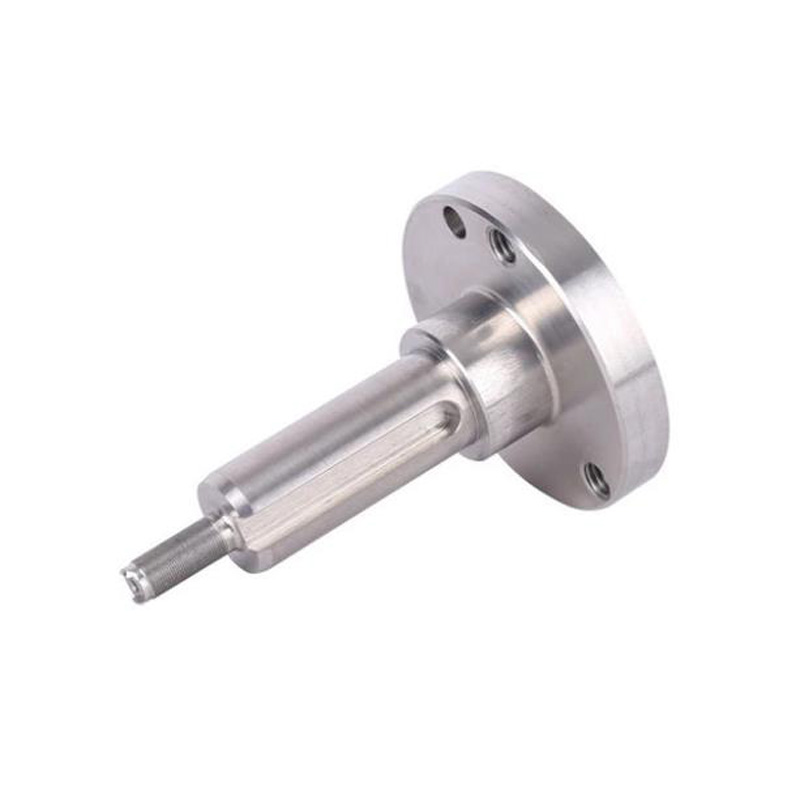
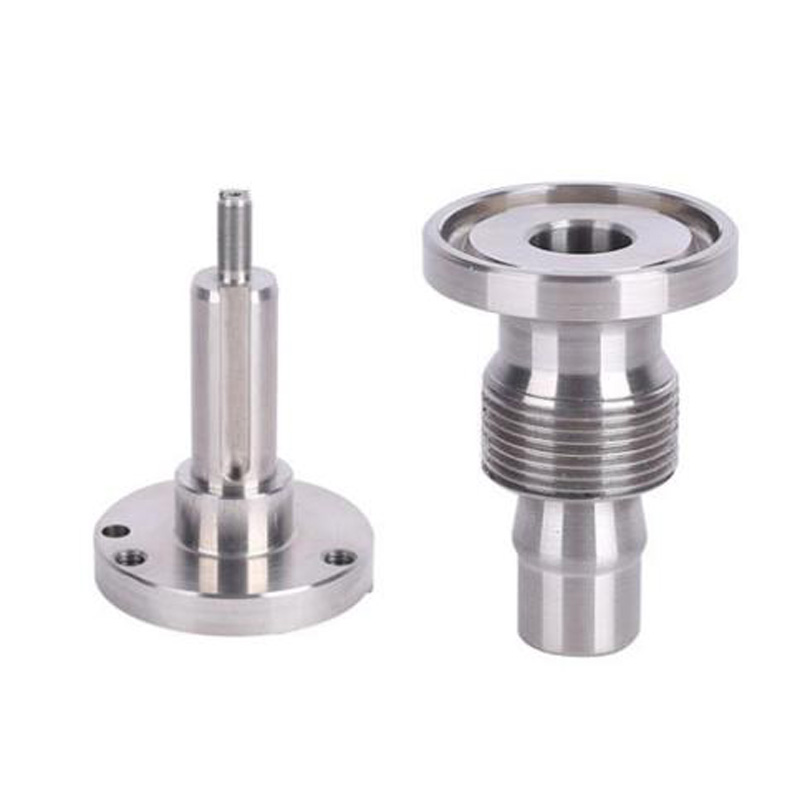
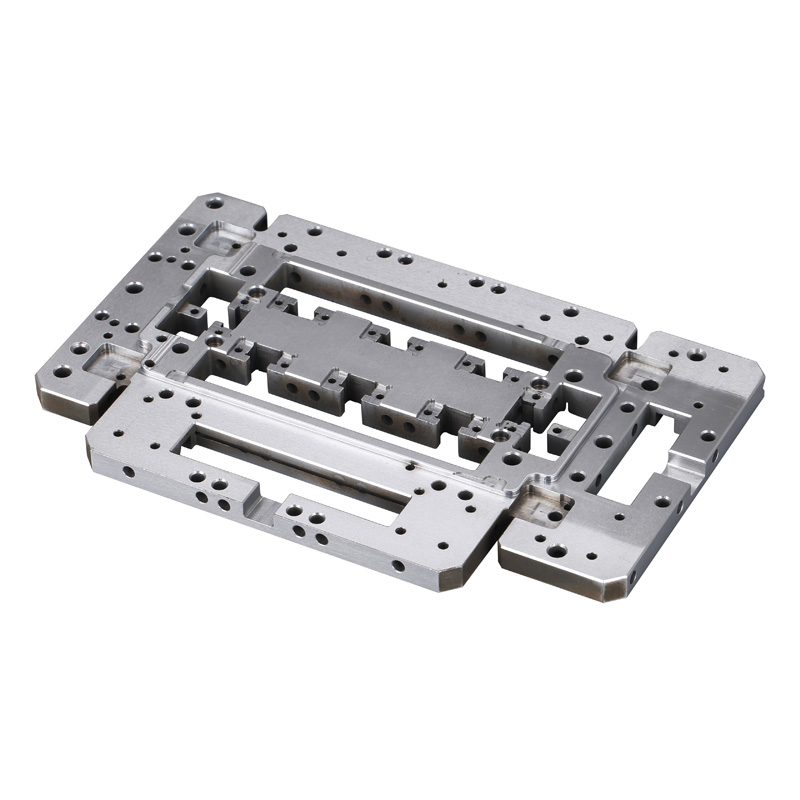
For enquiries about machined fixture components, separate the components being purchased from any workholding used to make them. Both may be called “fixtures” in an email, but the quotation needs to distinguish the supplied parts from production equipment.
| Quotation item | Question to resolve | Record before approval |
|---|---|---|
| Standard workholding | Are existing vises, clamps or modular plates sufficient? | Any order-specific preparation and its charge |
| Machined jaws or nest | Which part surfaces and revision does it locate? | Identification, machining operations covered and revision |
| Dedicated fixture | Does the charge include design, manufacture and trial? | Deliverables, approval point and exclusions |
| Machine setup and programming | Are these separate from the fixture hardware? | Initial-order and repeat-order charges |
| Inspection fixture or gauge | Is it for measurement, machining, or both? | Purpose, checking method and agreed acceptance evidence |
| Future orders | What remains usable after storage or a design change? | Retention period, revalidation and replacement terms |
Ask which machining problem the fixture solves
A custom fixture needs a reason tied to the part. Ask the supplier to identify the locating surfaces, clamp-contact areas and operations that standard workholding cannot adequately support.
Carr Lane distinguishes locating the workpiece from holding it against those locators. Its locating and clamping guidance explains why consistent referencing matters for repeatability. The buyer should therefore ask how the proposed arrangement relates to the drawing datums, rather than treating “special fixture” as evidence that the part will meet tolerance.
For a thin sleeve, inspect the bore after release as well as considering its condition under clamping. For a housing, identify which faces support the clamps and which bores locate the next operation. Carr Lane’s fixture-layout guidance addresses clamp placement, support and cutting-force direction. A stronger clamp alone does not resolve an unsuitable support arrangement. The thin-wall sleeve clamping guide covers the released-part check in more detail.
Compare the planned order, then the repeat order
Compare the same quantity, revision, material, finish and inspection scope. For the initial order, include the quoted fixture charge, setup charge and quantity multiplied by the unit price. Add inspection or other required work only where it is excluded. Avoid counting a charge twice if it is already included in the unit price.
Then request the price for a stated repeat quantity. A reusable fixture may avoid another hardware charge, while machine setup, condition checks or replacement jaws may still be needed. Ask what triggers each charge. Do not spread an initial fixture cost across an unapproved forecast and present that as the cost of the order being placed.
Define approval and reuse before releasing the order
Agree which part features will demonstrate that the proposed process works. Define the sample quantity, drawing revision, measurement condition and required records. For dimensions affected by clamping or finishing, make the inspection stage explicit. Fixture completion and part acceptance are separate approval points; the inspection scope should describe the evidence needed for the parts.
Also confirm who will retain the hardware, how it will be identified, how long it will be stored and what happens after a drawing change. If transfer is required, agree what can be supplied: hardware, fixture drawings, setup information or other records. Do not assume that paying one invoice makes the entire process portable between machines or suppliers.
Fixture-charge RFQ checklist
- Controlled part drawing, material condition, finish and initial order quantity
- Proposed workholding, operations covered and reason for custom equipment
- Separate hardware, engineering, setup and inspection charges, or a clear statement of what the unit price includes
- Trial-part acceptance features, measurement stage and required records
- Repeat quantity, reuse conditions and any recurring charges
- Identification, storage, access, transfer and design-change arrangements
Use these points alongside the CNC machining RFQ checklist. For an LXCET enquiry, review the relevant machining process and send the drawing revision, quantities and critical interfaces to tonyzhou@lxcet.com. Ask for workholding requirements and quotation inclusions to be reviewed against that part; fixture pricing and reuse arrangements need project-specific confirmation.