
Material Substitution for CNC Parts: Approve the Change Before Cutting

0
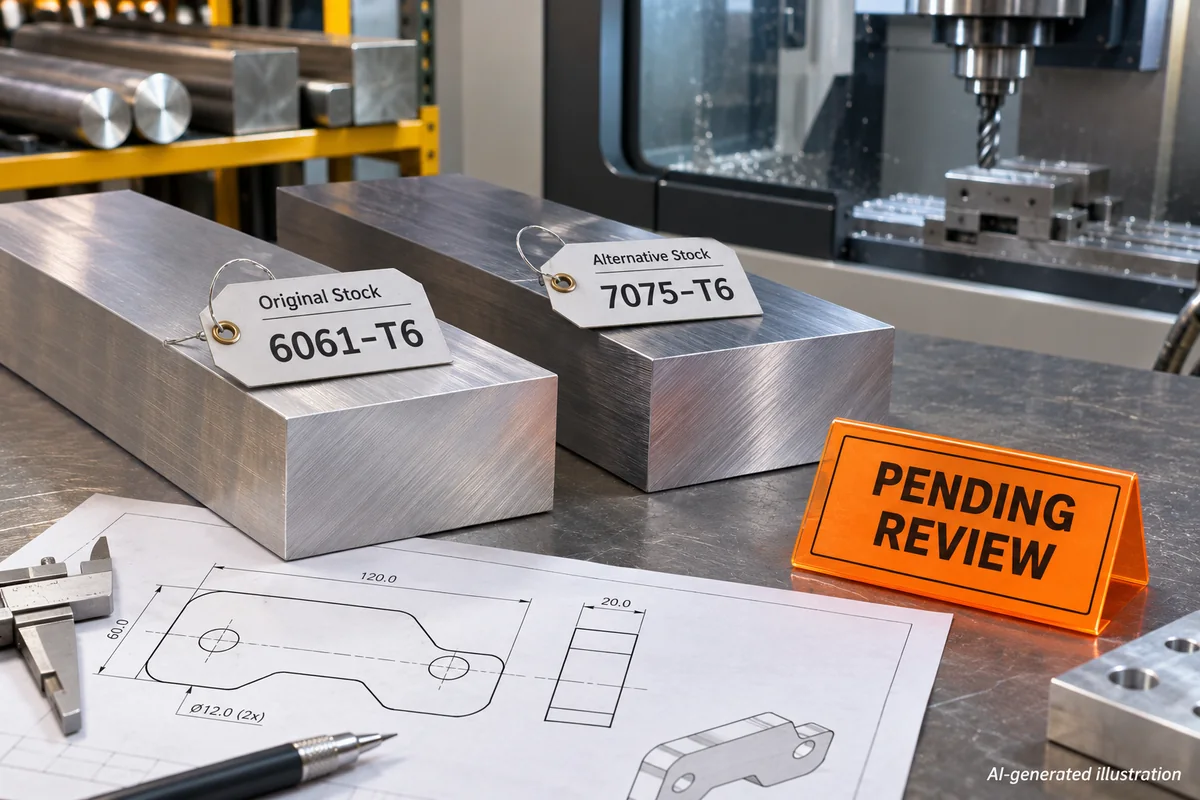
AI-generated illustration of CNC Material Substitution Approval

A supplier offers an “equivalent” alloy because the specified stock is unavailable. The proposed delivery date looks attractive, and the material name sounds familiar. Before accepting material substitution for CNC parts, establish exactly what would change and who can approve it.

Ask for a written substitution request that compares the specified and proposed material, including grade, temper or heat treatment, product form and applicable specification. Keep the original requirement in force until the responsible approver accepts a defined change for a defined scope.

A shared alloy name does not complete the comparison

A quote for “6061” leaves important questions unanswered. Kaiser Aluminum publishes separate entries for cold-finished and extruded rod and bar, and distinguishes material tempers in its 6061 rod and bar technical data. For example, its typical yield values for the listed specimen are 145 MPa for T4/T451 and 276 MPa for T6/T651. These are producer reference values for the stated product, not guaranteed values for every finished part or substitutes for the purchase specification.

This distinction matters when a supplier proposes the same nominal alloy in another condition or stock form. Compare the governing specification and required properties rather than accepting the broad material family as evidence of equivalence. Separate a change of stock supplier with unchanged requirements from a change to those requirements.

Material substitution for CNC parts: use one review sheet

Comparison itemInformation to requestDecision needed
Material identityFull specified and proposed designations; specification and edition where controlled.Is this a conforming supply route or an actual deviation?
Condition and product formTemper, heat treatment, plate/bar/casting route and available certificate.Which required properties and processing assumptions could change?
Functional requirementsCritical loads, fits, exposure and finishing requirements supplied by the design owner.Is further engineering analysis or testing needed?
Commercial impactPrice, stock availability, extra verification, sample work and revised delivery assumptions.Does the proposed route still offer a useful overall result?
Approval scopePart/revision, affected quantity or batch, expiry if used and named approver.One-off concession or permanent design change?

Keep evidence separate from the decision. A material certificate can document the supplied stock; it does not automatically authorize a departure from the drawing. Conversely, an approval email does not establish traceability unless it identifies what stock and deliveries the approval covers.

Review the service environment before calling stainless grades equivalent

Outokumpu’s material-selection guidance asks for the actual corrosive environment, concentrations, impurities and temperature, together with relevant design and operating information. Its corrosion data also state the material and surface conditions to which the data apply.

For purchasing, the practical step is to forward the proposed material comparison to the responsible design owner with that application information. A vendor statement such as “better corrosion resistance” does not resolve whether a grade is appropriate for a particular component, finish or inspection plan. Record the missing information instead of treating a trade name as an engineering approval.

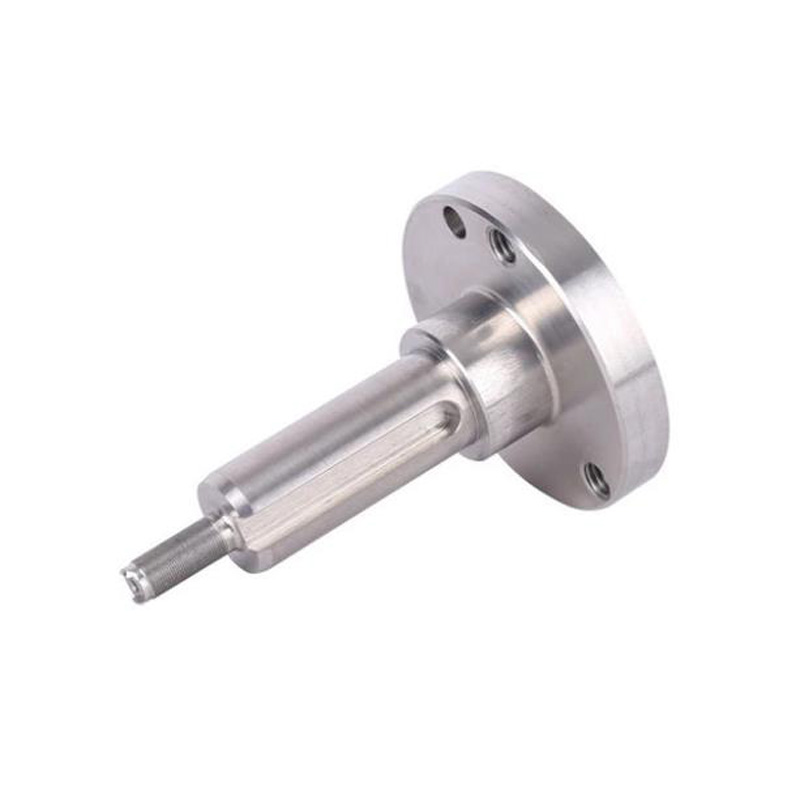
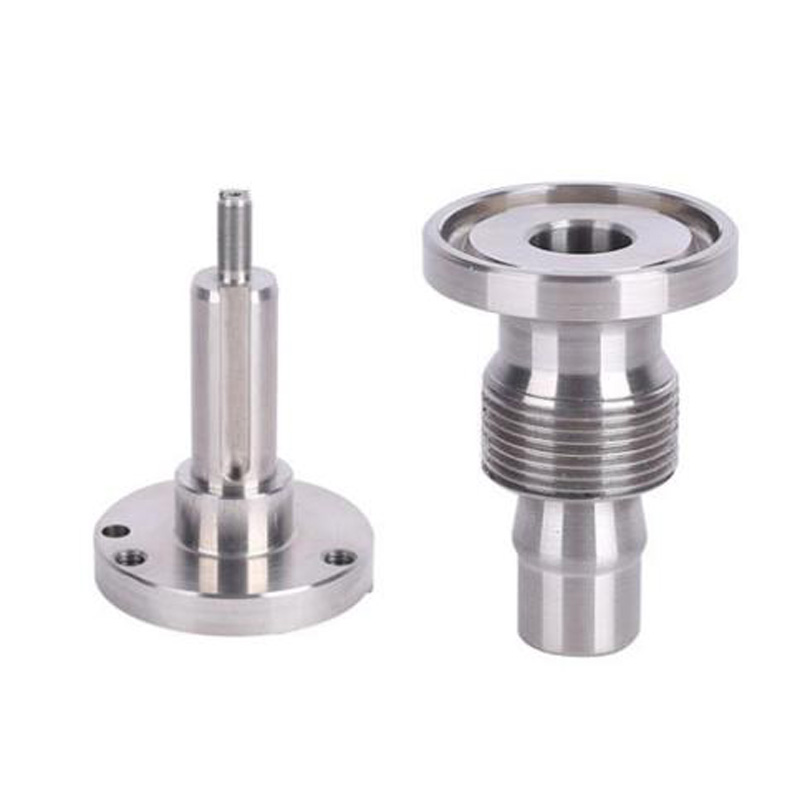
For a machined shaft sleeve, compare the specified stock condition, mating fit, surface treatment and service environment before approving another grade. The appearance of a finished sleeve does not establish its alloy or material condition.

Release the change before stock becomes finished parts

Agree a hold point before nonconforming substitute stock is cut. If an urgent prototype needs an exception, define which evaluations that sample can support and which results still require the specified production material. Do not let a prototype concession silently carry into a production order.

For a permanent change, update the controlled drawing or material specification through the buyer’s normal revision process. For a limited concession, keep the original requirement and attach a clear, bounded approval reference to the affected order. Ask the supplier to acknowledge the final instruction and any revised inspection scope.

RFQ and receiving checks

  • State whether alternatives are permitted for quotation, and require them to be identified separately.
  • Specify grade, condition, product form and certificate requirements in the RFQ.
  • Require approval before purchasing or using substitute stock.
  • Record the approved part revision, quantity, batch and decision reference.
  • Check incoming documentation against that scope, not against a generic material description.
  • Agree any additional identification or property testing and its acceptance criteria before dispatch.

Read the material certificate checklist for evidence review and the revision-control guide for document alignment. Review the manufacturing processes and inspection requirements alongside the proposed stock change. Send the controlled drawing and any proposed alternatives through the RFQ form or to tonyzhou@lxcet.com. Request separate confirmation of technical acceptance, price and delivery.

Leave a Reply

Your email address will not be published. Required fields are marked *