

Blog


A material certificate arrives with the shipment, but its heat number cannot be connected to the finished parts. The document may describe suitable metal while leaving the purchase order’s traceability requirement unresolved. A material certificate checklist for machined parts should therefore review both the document and the chain linking it to the supplied components.
First distinguish material evidence from other certificates
Three different questions are often mixed together: does an organization have a management-system certificate, what material was purchased, and what evidence applies to this shipment? Outokumpu publishes production-site certificates and approvals separately and directs users to location-specific documentation. An organization’s certification page should not be treated as the material record for a particular delivery. Source: Outokumpu production-unit certificates and approvals.
A supplier’s statement of conformity, a mill inspection certificate and a dimensional report serve different purposes. List the deliverables separately rather than writing only “certificates required.” The buyer and responsible quality engineer should decide which evidence the application and purchase specification actually require.
What does EN 10204 3.1 mean for the purchasing review?
Ergenc’s September 2026 guidance describes a 3.1 certificate as manufacturer-validated evidence for the supplied material and emphasizes the connection between the heat identifier and physical stock. Its central warning is that material records do not establish finished-component origin if traceability is lost during cutting. Source: Ergenc, How to read a 3.1 material certificate.
Where an order specifies a document type, request that exact type and review it against the current applicable specification. Outokumpu’s ordering guide distinguishes EN 10204 document designations, including 3.1 and 3.2. Do not assume the higher-numbered document is a free administrative upgrade: its validation and inspection arrangements must be clarified before material procurement. Source: Outokumpu, Steel Grades, Properties and Global Standards. That older guide is used here only for document terminology, not as a current material acceptance standard.
Material certificate checklist for machined parts
| Review point | Question for the supplier | Action if unresolved |
|---|---|---|
| Order and material identity | Which purchase order, material grade, product specification and delivery condition does the record cover? | Request a cross-reference; do not infer equivalence from a similar alloy name. |
| Material-lot link | How does the document identifier connect to the stock used for this machining batch? | Request the stock-to-work-order record and identify affected parts. |
| Required results | Does the record contain the tests and acceptance information required by the order? | Have the responsible engineer review gaps before approving use. |
| Processing after stock receipt | Were additional heat treatment or other material-changing operations required? | Request the separately agreed process records and review final condition. |
| Finished delivery | Which part numbers, revisions, batches and package IDs link to each material record? | Hold only the affected release scope and resolve identity before assembly. |
Preserve traceability when one stock piece becomes many parts
A useful purchasing discussion follows the material through the actual route. Ask how stock is received and identified, how cut blanks are assigned to a work order, how different lots are separated, and what identifier remains on the container after machining. If parts cannot be individually marked, agree on a suitable batch-and-packaging method before production.
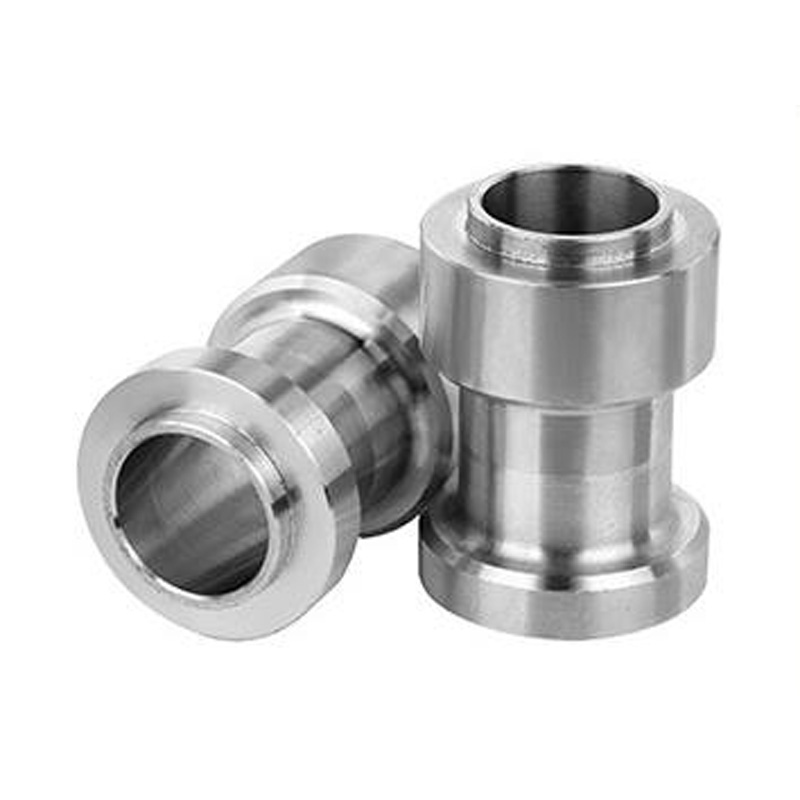
Consider a hypothetical order for 120 bushings made from two material lots. A packet containing both certificates is not enough to tell the buyer which pieces belong to which lot. A mapping of work order, finished batch and package identifier can make the relationship reviewable. If pieces are mixed during secondary operations, the supplier must explain how the agreed identity is maintained. This example describes a purchasing risk, not an LXCET delivery case.
Approve substitutions before the material is cut
If the requested grade or condition is unavailable, ask for a written alternative with the exact designation, product form, applicable specification and supporting documentation. Engineering should evaluate the functional consequences; procurement should confirm cost, timing and order changes. Avoid accepting an alternative simply because its nominal tensile strength looks similar.
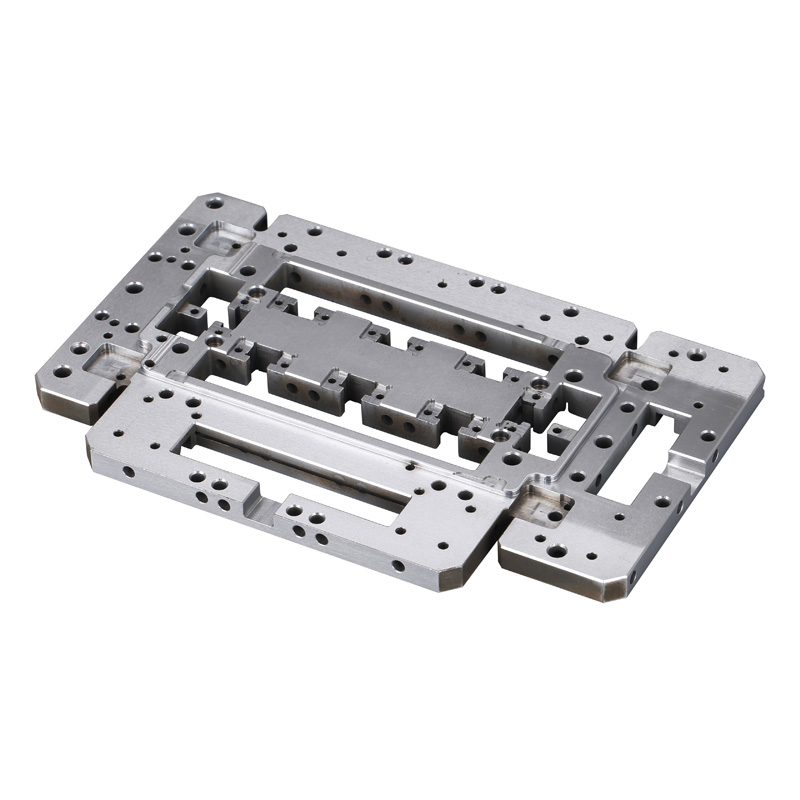
For a fixture plate, the review might include corrosion exposure, machining stability, finishing compatibility and the existing assembly requirements. For electrical contact components, material identity alone still does not establish the finished assembly’s current rating. The purchase specification should connect the evidence to the actual application without expanding it into unsupported performance claims.
RFQ and purchase-order checklist
- State exact grade, material condition, product specification and part revision.
- Name the required material document type and any additional process records.
- Specify whether records must be reviewed before machining, before shipment or at receipt.
- Define the needed material-lot-to-finished-batch mapping and packaging identifiers.
- State how substitutions and deviations receive written engineering approval.
- Ask whether document retrieval, special tests or traceability work affects the quotation and lead time.
- Keep material evidence separate from dimensional, surface-finish and functional acceptance records.
What should happen when a certificate is missing?
Identify the affected material and finished batches first. Ask the supplier to retrieve the original record and reconstruct the agreed links from controlled records. Do not fill in missing heat numbers from a similar shipment. If traceability cannot be demonstrated, escalate to the responsible quality and engineering personnel for disposition rather than treating a new supplier letter as proof of the missing history.
Specify documentation alongside the part
Review the stainless steel fixture plate example, dimensional inspection report checklist and quality and inspection page. Send the controlled drawing, material requirement and required records to tonyzhou@lxcet.com. LXCET confirms documentation availability and the agreed scope for each quotation; a product photograph cannot verify an alloy or a material lot.