

Blog

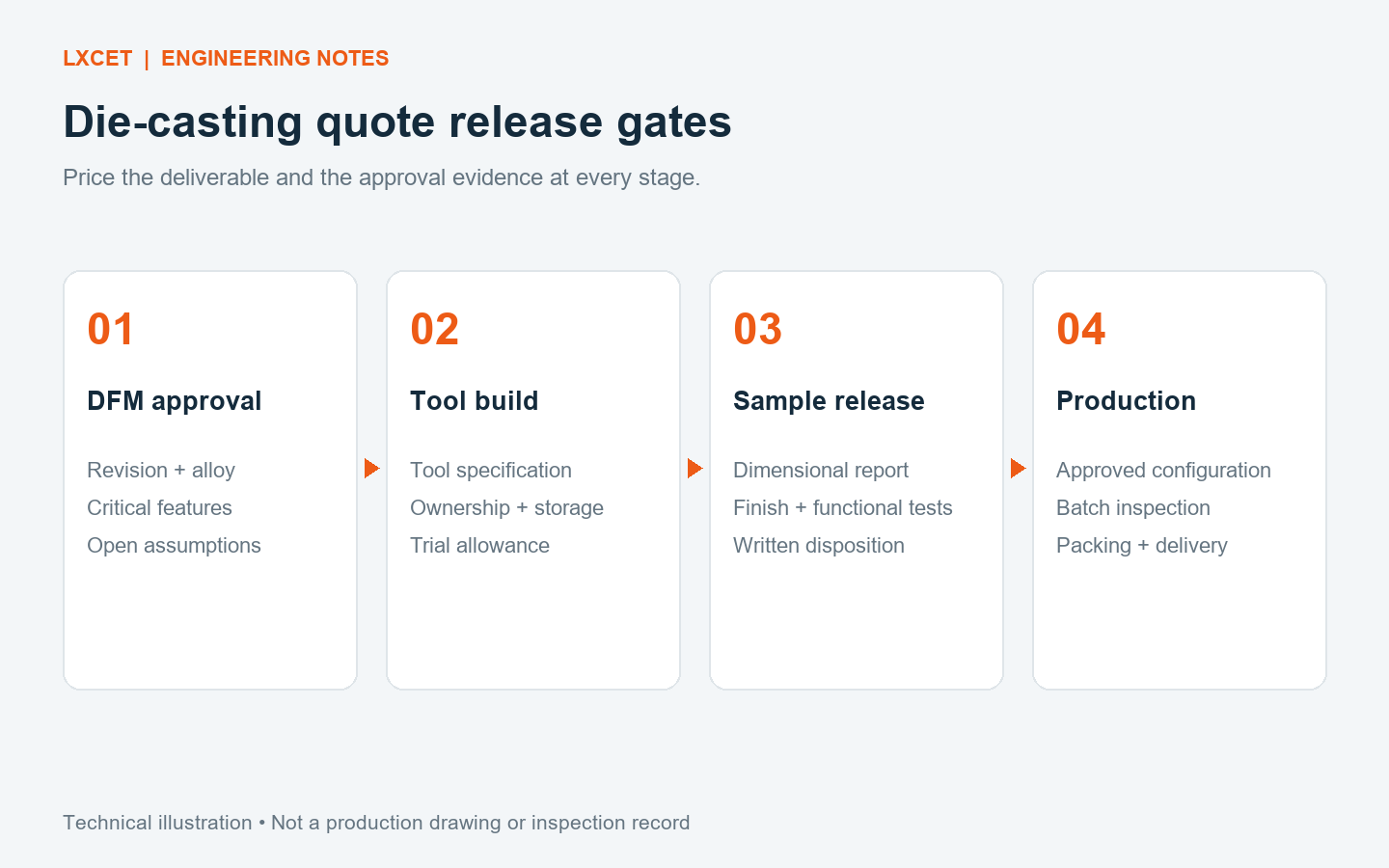
An approved prototype fits the assembly, so purchasing releases a larger order. The production batch then arrives with a different finish, inconsistent documentation or an unapproved drawing change. A CNC pilot production checklist helps turn a promising sample into a clearly defined release decision.
Why prototype approval is not the complete production release
A development sample may answer only one question: whether components assemble, whether a housing clears an adjacent part or whether a mechanism moves as intended. Purchasing needs a wider agreement covering the delivered configuration, quantities, documentation and repeat-order conditions.
Protolabs presents prototyping-to-production machining as involving distinct service and documentation choices, including secondary operations and inspection options. This is a useful reminder to specify the complete scope when moving between order stages; another supplier’s offerings do not establish LXCET capabilities or contractual obligations. Industry source: Protolabs, machining from prototyping to production.
Build a CNC pilot production checklist around release evidence
| Release question | Record to agree before ordering | Decision before the next stage |
|---|---|---|
| Are we buying the approved configuration? | Part number, drawing/CAD revision, material condition and finish specification. | Resolve any mismatch or deviation before release. |
| Which features control assembly? | Critical dimensions, datum setup, mating requirements and inspection methods. | Engineering reviews identified measurements and functional checks. |
| What does the pilot quantity need to demonstrate? | Agreed quantity, measurement coverage, part identification and required process evidence. | Approve the planned scope; do not select a quantity solely because it sounds typical. |
| What is included in the price? | Setup, fixtures, finishing, inspection, certificates, packaging and freight assumptions. | Compare the same scope across quotations. |
| Who may authorize shipment? | Named decision owner, required records and written approval or hold point. | Release, conditional release with written limits, or hold for correction. |
| What happens after a change? | Notification rules for revisions, material substitutions and significant route changes. | Review the affected requirements and define new approval evidence. |
Separate first article inspection from routine batch acceptance
A first article requirement must identify the governing specification and documentation scope. SAE’s public AS9102C page states that the standard establishes requirements for performing and documenting FAI and complements customer and applicable regulatory requirements. An ordinary sample measurement sheet should not be labeled AS9102-compliant without evaluating the applicable requirements. Source: SAE International, AS9102C.
For a general machinery project, agree on the evidence actually required rather than importing an aerospace label without a contractual reason. Keep the initial approval package separate from the ongoing inspection plan. The order should state which records accompany every delivery and which belong to the first approved configuration.
Define the prototype-to-production handoff
Use a short release record that engineering and purchasing can both read. It should list the sample identification, drawing revision, open issues and disposition. If the sample was accepted despite a cosmetic mark or dimensional deviation, describe whether that acceptance applies only to the sample or changes the production requirement.
Hypothetical purchasing example: a buyer requests a 20-piece pilot before a 200-piece production order. Those quantities are illustrative, not a recommended sampling plan. The buyer and supplier should agree which of the 20 pieces are measured, which characteristics are checked, and what stops the 200-piece release. Passing one assembly trial does not automatically resolve material traceability, finish, packaging or the remaining dimensions.
Make repeat orders comparable and changes visible
Ask whether a repeat quotation assumes the same revision, batch size, material and finish. Record fixture or setup charges separately where quoted, and clarify ownership and retention terms rather than assuming they are included. A lower unit price is difficult to evaluate if inspection or packaging has disappeared from the scope.
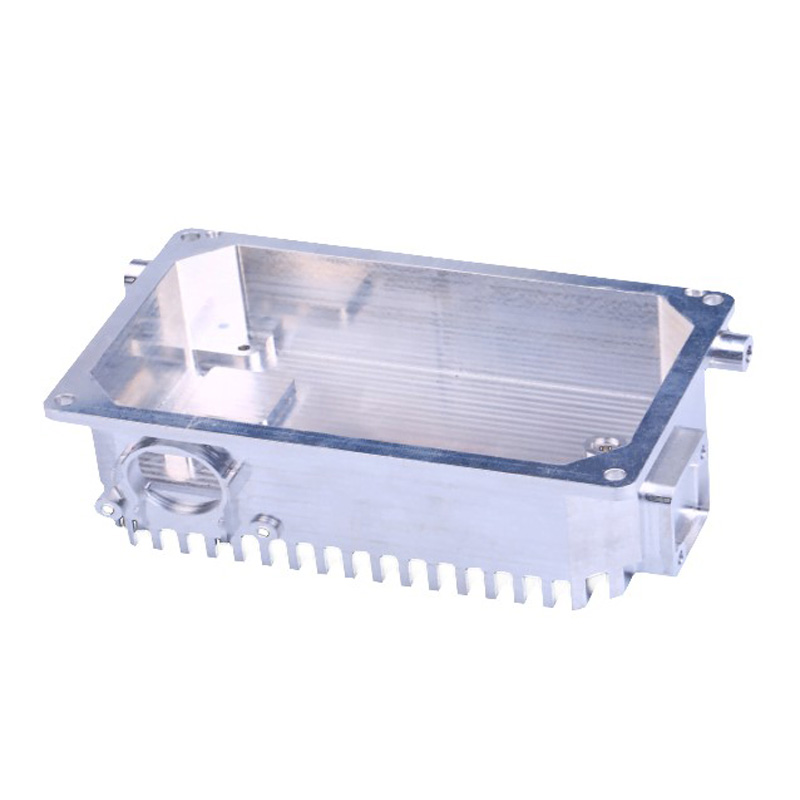
For enclosures used in energy equipment, drones or industrial machinery, include the surfaces and interfaces that must survive handling and assembly. Photographs can communicate cosmetic expectations, but controlled acceptance criteria should settle what is permitted.
RFQ and production release checklist
- Attach the controlled drawing, CAD, quantities and planned release stages.
- Specify material documentation and its connection to the delivered batch.
- Define finishing, masking, cosmetic areas and packaging requirements.
- Agree on inspection coverage, report format and part identification.
- List unresolved assumptions with a named person responsible for each answer.
- Set written approval and hold points before the remaining production is released.
- Require notification and review of changes that affect the approved requirements.
Prepare a complete release package
Review our machined battery housing example, material certificate checklist and quality and inspection guide. Send your drawing, pilot objectives and planned quantities to tonyzhou@lxcet.com. LXCET reviews the requested manufacturing and acceptance scope for the specific project.